







What We Build
Software testing checks functionality, performance, security, and usability against defined requirements, and reports what fails. The Consortium for Information & Software Quality (CISQ) estimated poor software quality cost the US economy at least $2.41 trillion in 2022.
Our QA and testing services cover the full release surface, so defects get caught where they start, not where customers find them.
Features That Actually Work
Functional testing against real requirements, not developer assumptions.
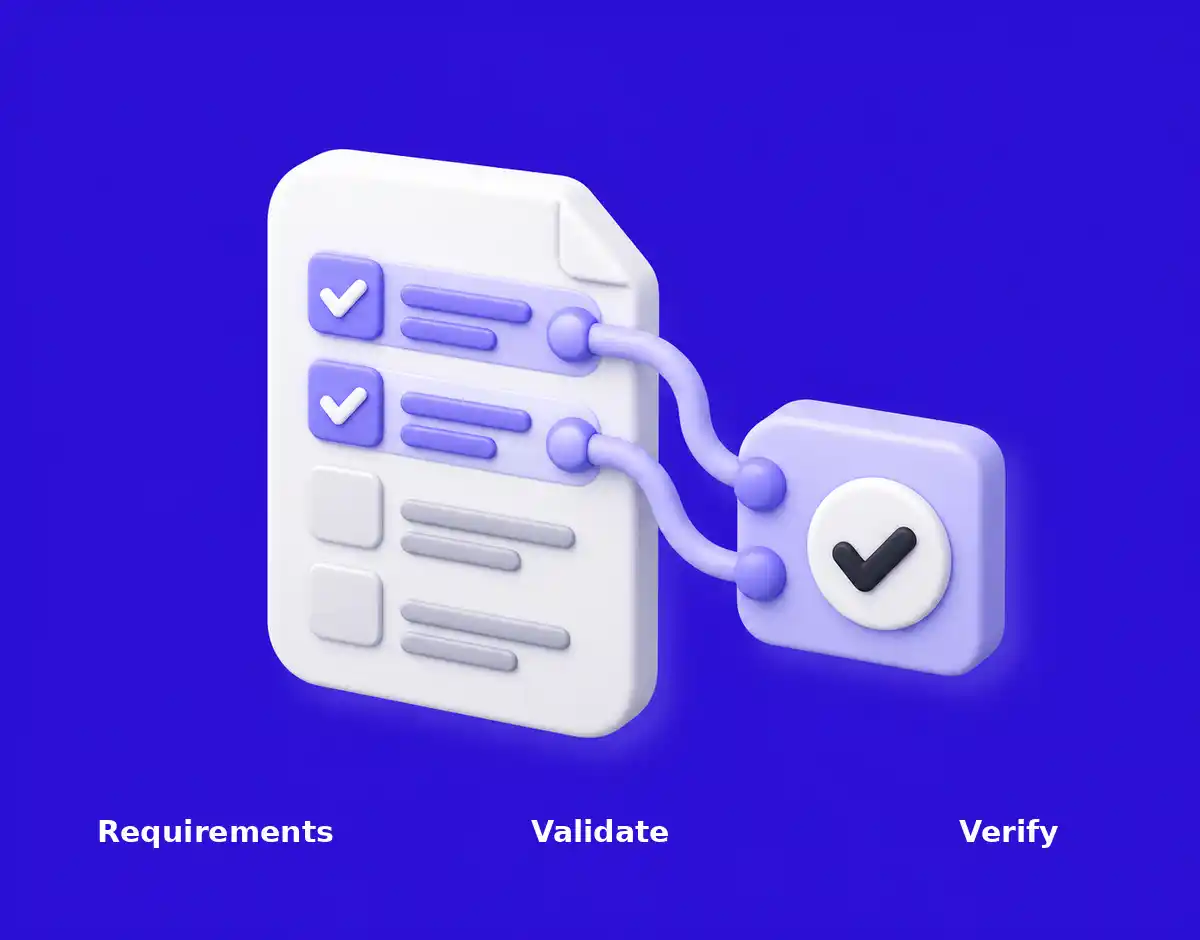
Functional testing checks that every feature does what the requirement says, including the edge cases nobody wrote down. It is where most customer-facing bugs get caught, or missed.
- Test cases written from user stories and acceptance criteria, so coverage maps to what the business actually asked for
- Positive, negative, and boundary testing across forms, workflows, payments, and permissions
- End-to-end testing of full user journeys, from sign-up to checkout to cancellation
- Exploratory sessions and independent UAT support, because real people do things no script predicted
- Defects logged with reproduction steps and severity, ready to fix without a follow-up call
No More Regression Surprises
Regression testing that proves new code didn’t break old features.
Every release risks breaking something that worked yesterday. Regression testing re-runs your critical paths on every change, so “we fixed one bug and created two” stops being a sprint ritual.
- Risk-based regression suites that prioritize revenue-critical and high-traffic flows first
- Automated regression runs triggered on every pull request or nightly build
- Suite maintenance as your product changes, so tests reflect today’s app, not last quarter’s
- A clear go/no-go signal before each release
Automation Worth Maintaining
Test automation services that speed releases without flaky-test fatigue.
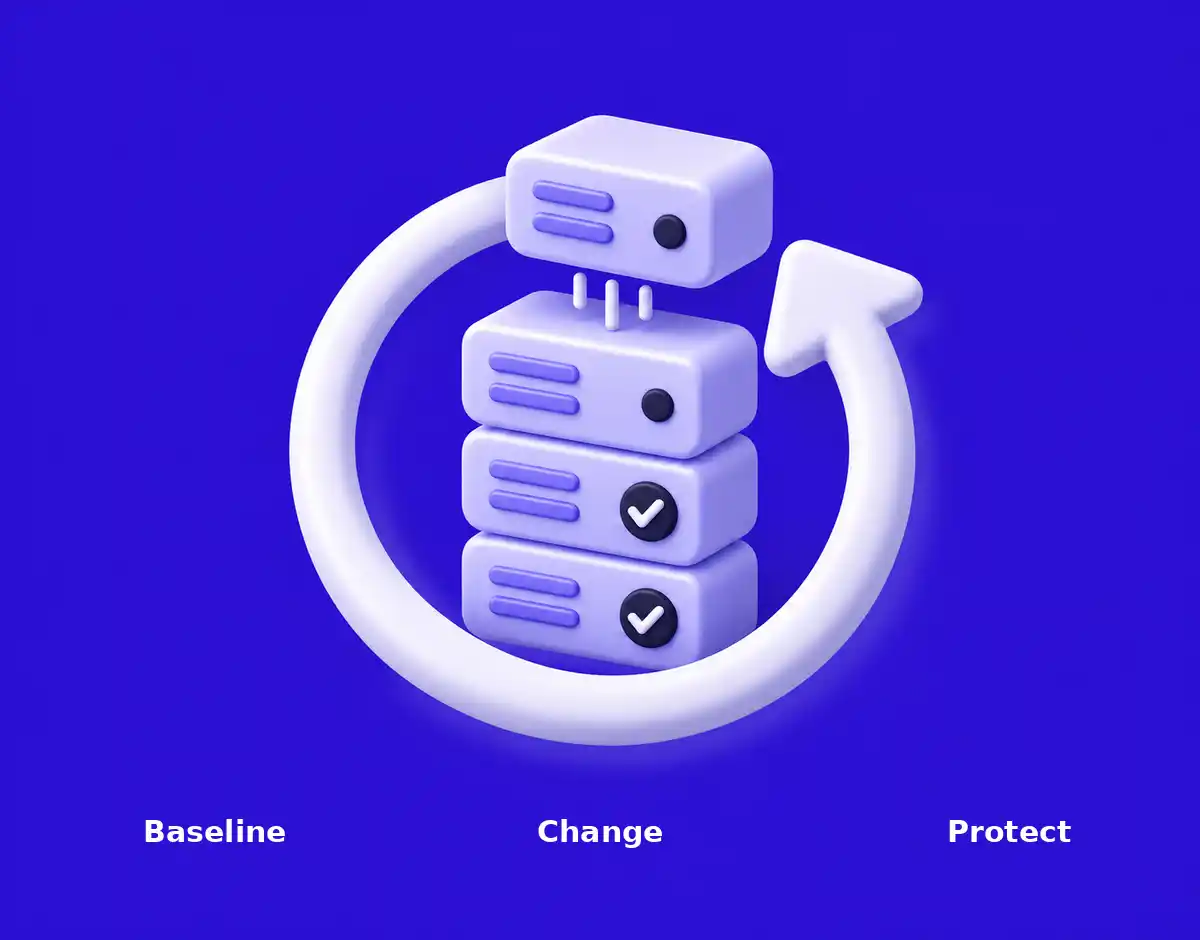
Test automation turns repetitive manual checks into scripts that run in minutes on every build. We automate what pays back and keep people on what needs judgment, because automating a broken process just breaks it faster.
- Automation feasibility and ROI analysis before a single script is written
- UI automation for web and mobile with frameworks such as Playwright, Cypress, Selenium, and Appium
- API test automation, which runs faster and breaks less often than UI-only suites
- Migration of legacy test scripts to modern frameworks
- Continuous testing inside your CI/CD pipeline, with flaky tests quarantined and fixed, not ignored
Flaky tests are smoke alarms that go off every time someone makes toast. Eventually, somebody pulls the battery.
Survive Launch Day Traffic
Performance testing that finds breaking points before your customers do.
Performance testing measures how your software behaves under normal and peak load: response times, throughput, and exactly where it falls over. TAK Devs builds systems designed to handle 2M+ daily users, so we test the way production actually hurts.
- Load testing against realistic traffic models, including campaign spikes and seasonal peaks
- Stress and spike testing to find the exact breaking point and how the system recovers
- Endurance (soak) testing to catch memory leaks and slow degradation over hours
- Bottleneck reports that name the query, service, or configuration causing the slowdown
Find Holes Before Attackers
Security and penetration testing for code, APIs, and cloud.
Security testing finds exploitable weaknesses in your application before someone with worse intentions does. IBM’s Cost of a Data Breach Report 2025 put the average breach at $4.44 million globally and a record $10.22 million in the US.
- Vulnerability assessment and penetration testing of web apps, mobile apps, and APIs against the OWASP Top 10
- Authentication, authorization, and session testing, including role and permission abuse
- Static and dynamic application security testing (SAST and DAST) inside DevSecOps pipelines
- Cloud configuration reviews for exposed storage, open ports, and over-permissive access
- Findings ranked by exploitability and business impact, with fix guidance developers can act on
Works on Every Screen
Compatibility testing across browsers, devices, operating systems, and languages.
Compatibility testing confirms your product works the same on a customer’s three-year-old phone as it does on your developer’s new laptop. “Works on my machine” is a feeling, not a test result.
- Cross-browser and responsive testing on Chrome, Safari, Firefox, and Edge, including older versions your users still run
- Mobile testing on real iOS and Android devices plus cloud device farms
- Localization testing for translated content, date and currency formats, and right-to-left languages
- A device matrix built from your real user data, not a generic top-ten list
Usable by Everyone, Actually
Usability and accessibility testing that opens products to every user.
Accessibility testing checks your product against WCAG, so people using screen readers, keyboards, or magnification can complete the same tasks as everyone else. The WebAIM Million 2026 report found detectable WCAG failures on 95.9% of the top one million home pages, averaging 56.1 errors per page.
- WCAG 2.2 AA audits that combine automated scans with manual screen reader and keyboard testing
- Checks for the most common failures: low contrast, missing alt text, unlabeled forms, and empty links or buttons
- Usability findings and remediation guidance mapped to specific components, not a 200-page PDF
- Readiness for the European Accessibility Act, which began applying to many digital products sold in the EU on 28 June 2025
Integrations That Don't Break
API and integration testing for microservices, payments, and third-party systems.
Integration testing checks that your services, databases, and third-party tools pass data correctly between each other. Most “random” production errors live in the gaps between systems, which is exactly where nobody owns the test.
- REST and GraphQL API testing for contracts, payloads, error handling, timeouts, and retries
- Contract testing between microservices, so one team’s deploy doesn’t break another’s
- Integration checks for payment gateways, CRMs, ERPs, and identity providers
- Data validation across ETL pipelines, data warehouses, and databases
AI Features You Trust
AI and LLM testing for accuracy, safety, and predictable behavior.
AI testing verifies that models and LLM-powered features give accurate, safe, and consistent answers, even when users type things nobody planned for. It is a different discipline from classic QA, because the same input can produce a different output tomorrow.
- Evaluation suites that score LLM outputs for accuracy, relevance, and hallucination rate
- Prompt regression testing, so a model or prompt update doesn’t quietly degrade answers
- Adversarial testing for prompt injection, data leakage, jailbreaks, and biased outputs, guided by the OWASP Top 10 for LLM Applications
- Post-launch monitoring for model drift and answer quality
The risk is already showing up in breach data. In IBM’s 2025 research, 13% of organizations reported breaches involving their AI models or applications, and 97% of those lacked proper AI access controls.
Compliance Without Audit Panic
Compliance testing for HIPAA, GDPR, and ISO-aligned security controls.
Compliance testing produces documented evidence that your software meets the requirements your auditors, customers, and investors will ask about. TAK Devs has built HIPAA-aligned health tech and GDPR-bound products for German and European clients, so we test for what reviewers actually ask to see.
- HIPAA-aligned testing for access controls, audit logging, and protected health information handling
- GDPR checks for consent flows, data retention, deletion requests, and data minimization
- Traceability matrices that map every requirement to a test and a result
- Security control verification aligned with ISO 27001, the standard TAK Devs is certified against
Compliance testing supports your legal and audit advisors. It does not replace them.
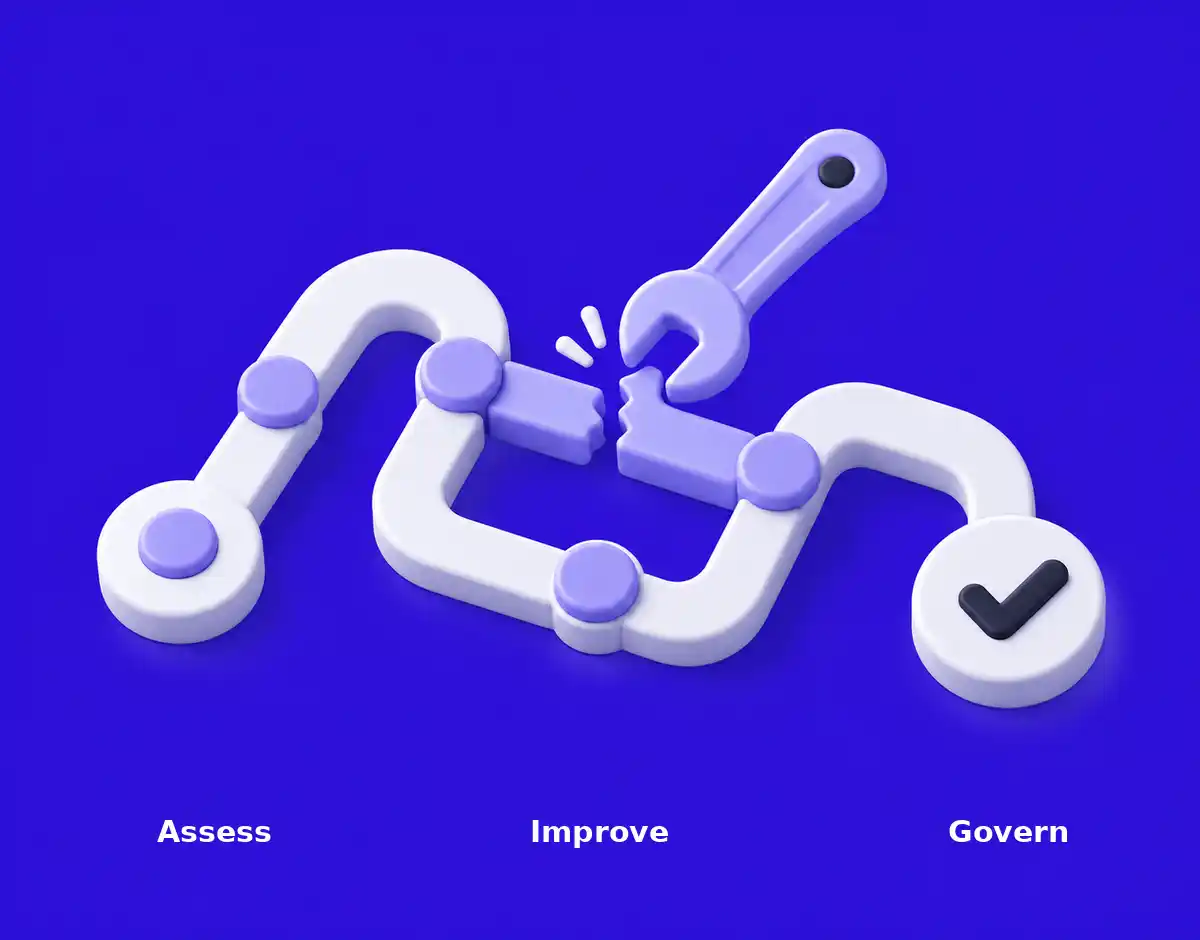
Fix the Process First
QA consulting and audits for teams whose testing isn’t working.
QA consulting fixes the process that keeps producing defects, instead of catching them one at a time. It is the right call when you already test but bugs still escape.
- QA process audits covering strategy, tooling, coverage, and defect trends
- Test strategy and test plan design, including the right manual and automated split
- Shift-left practices that bring testers into requirements and design reviews
- Coaching and training for your in-house QA and development teams
- A prioritized improvement roadmap that fits on one page, not one shelf
Outsourced QA, Owned Outcomes
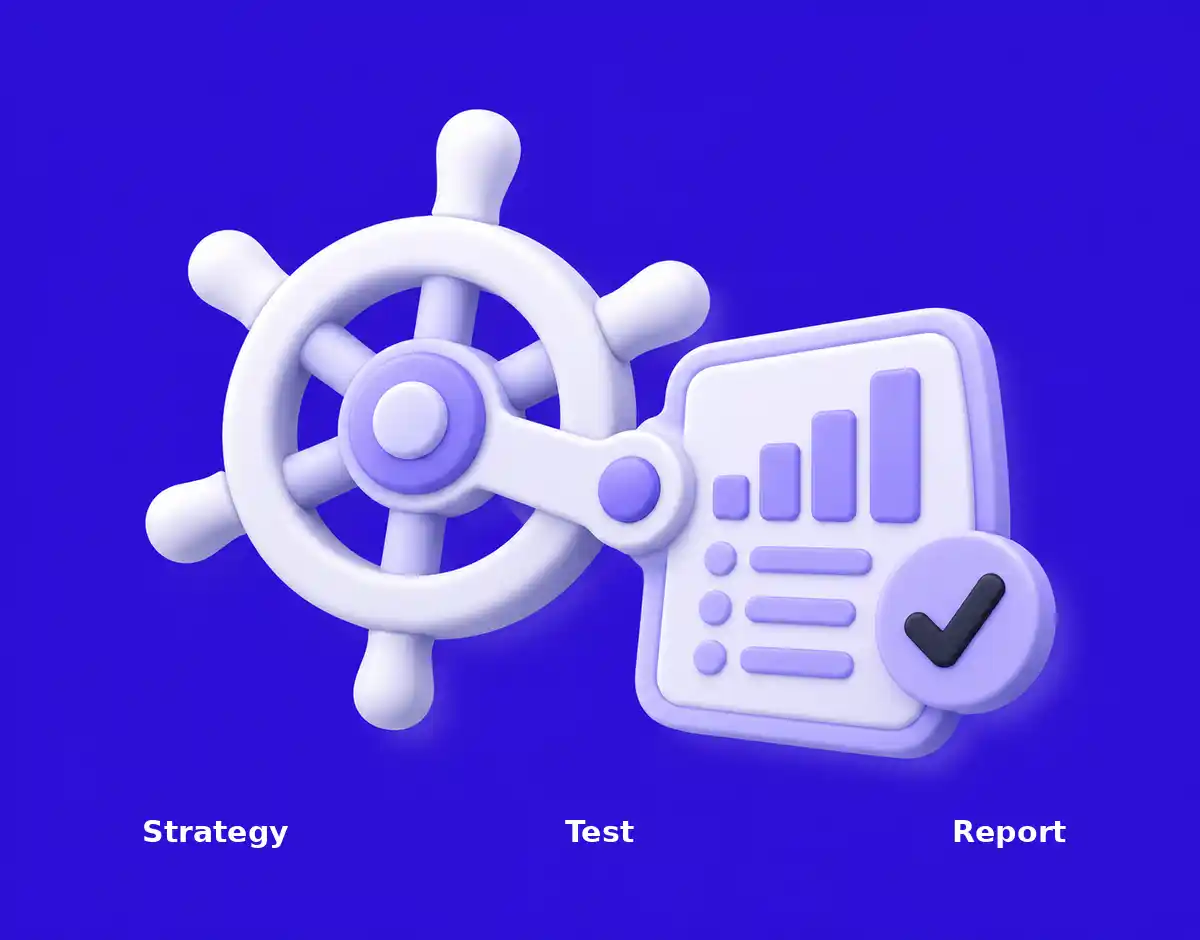
QA as a service, where we own strategy through reporting.
QA outsourcing with TAK Devs means we take responsibility for the testing outcome, not just the hours. You get a scoped engagement with agreed KPIs, regular reports, and one accountable point of contact, not a group of testers you have to manage yourself.
- End-to-end ownership: test strategy, test design, execution, automation, and reporting
- One-time testing before a major release, launch, or investor demo
- Ongoing QA scoped per release cycle, with no long-term lock-in
- Release-readiness summaries written for decision-makers, not just engineers
Trusted and recognized across the industry





How TAK Devs Works
Process diagrams look the same at every agency. What matters is what actually happens inside each phase. Here is how we work in practice, refined across 150+ delivered projects.
- 150+ projects delivered
- ISO 9001 quality certified
- ISO 27001 security certified
Discovery Call
We uncover what you actually need first.
Output: problem briefScoping Workshop
Goals become a costed, prioritised delivery plan.
Output: scope and roadmapSprint Delivery
Tested, working software shipped every sprint.
Output: working softwareLaunch & Handoff
Live deployment, full docs, clean knowledge transfer.
Output: live product and docsOngoing Support
We monitor, maintain, and scale after launch.
Output: monitored and maintainedNot sure which phase you are in? Start with a discovery call and we will tell you honestly.
Book a discovery callStruggling to keep up with development demands?
See how we can streamline your workflow.
No commitment required | Takes 20 minutes !
Who We Work With
Teams who've already paid the price of skipping QA.
Founders
CTOs and VPs of Engineering
Compliance and Security Leads
AI and Data Leads
Industries We Serve
Domain-aware testing for regulated, high-traffic, and fast-moving products.
We test web and mobile apps, SaaS platforms, enterprise software and ERPs, microservices, data pipelines, e-commerce marketplaces, and AI-powered applications across these industries.
Health tech
HIPAA-aligned testing for patient data, telehealth sessions, and clinical workflows.
Fintech
Transaction accuracy, security, and performance under peak load.
Legal technology
Document handling, permissions, and audit trail integrity.
SaaS
Multi-tenant data isolation, subscription billing, and continuous regression.
Retail and e-commerce
Checkout, payments, inventory sync, and campaign-day traffic.
Travel and hospitality
Booking engines, availability, pricing, and channel integrations.
Automotive and mobility
Connected apps, real-time data, and cross-device behavior.
Consulting providers
Client portals, reporting accuracy, and integrations with existing tools.
Quality-first delivery from a team that builds and tests.
Quality Over Cheap Speed
QA is planned from the scoping workshop, with automation for repeatable checks and experienced testers for judgment calls. 150+ projects delivered across the US and Europe.
Testers Who Know Builds
TAK Devs designs, builds, and runs software, so our QA engineers understand architecture, cloud, and data, not just test cases. Systems we build are designed to handle 2M+ daily users.
Certified, Audited Process
ISO 9001 and ISO 27001 certified, so your code, data, and test environments sit under audited controls. NDAs and data protection agreements are signed before any access is granted.
Honest Scoping, Honest Reports
Fixed-price options for QA audits and one-time testing. If your product needs a specialist we don’t have, we’ll say so and point you to who fits better.
What Working With TAK Devs Actually Looks Like
In early 2025, UpliftCare came to us with a clear challenge and a tight window. They needed a complete, HIPAA-compliant telehealth marketplace connecting patients, verified therapists, and healthcare institutions. The deadline was three months, set by an investor presentation they could not move.
There was no technical architecture. No defined roadmap. Just a vision and a date.
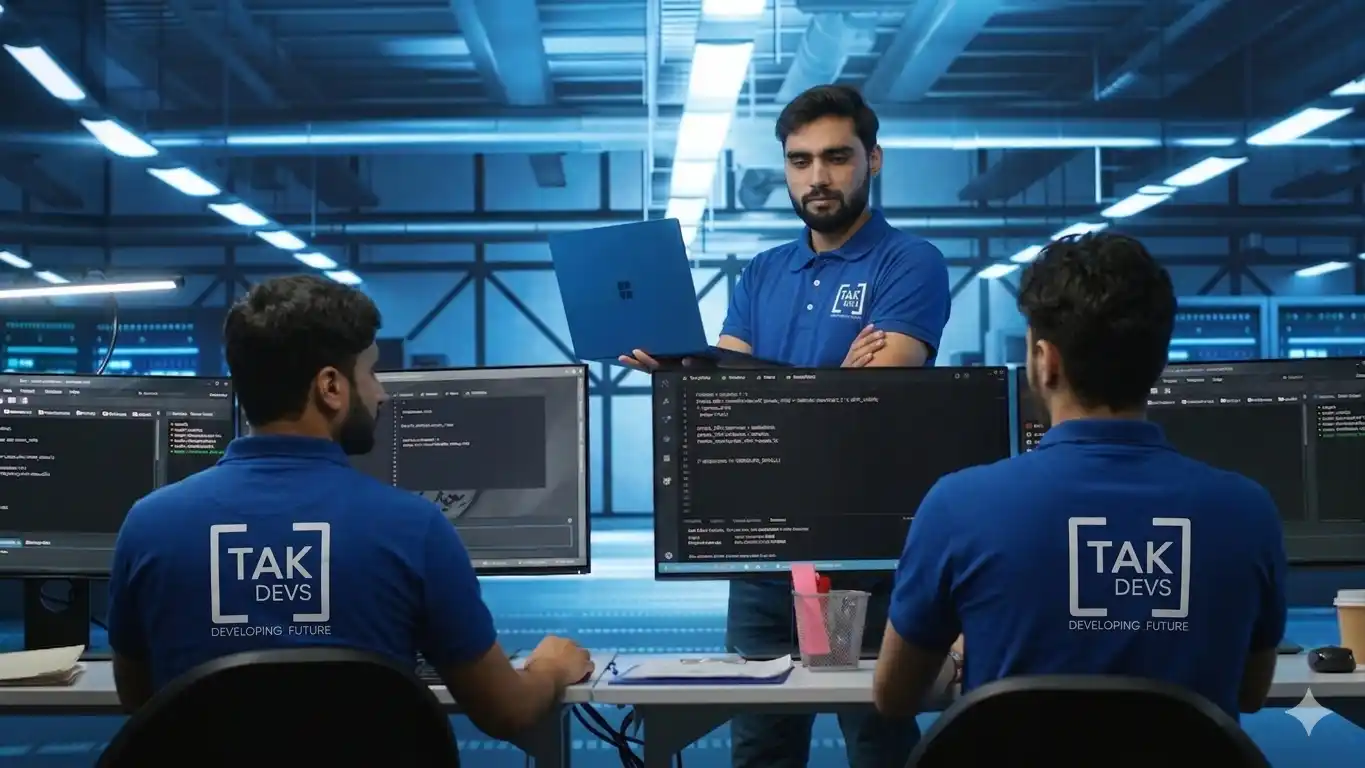
TAK Devs took on the full product lifecycle.
In six sprints and twelve weeks, we delivered:
Four connected portals covering Patient, Therapist, Admin, and Institutional workflows
Real-time video consultations via WebRTC, integrated Stripe payments, and smart scheduling
100% HIPAA-aligned architecture with full encryption across all data flows
Automated credential verification that reduced therapist onboarding time by 70%
CI/CD pipelines, automated testing, and AWS-based deployment ready for production from day one
Testimonials
I'm happy with TAK Devs Pvt Ltd's work quality. Our engagement with TAK Devs Pvt Ltd is a huge success. Our project is very complex and has many engineering metrics and variables, and the team delivers high-quality work.

TAK Devs Pvt Ltd delivered a robust system designed to handle 2 million daily users, achieving a seamless integration of PDF creation as part of the authentication process. The team consistently met deadlines and was highly responsive, flexible, transparent, understanding, and proactive.

Thanks to TAK Devs Pvt Ltd, the client can seamlessly track session duration, user engagement, and login metrics. They also can efficiently monitor appointment bookings, assess client-therapist match rates, and collect feedback. The service provider's knowledge and quality delivery are exemplary.

TAK Devs Pvt Ltd delivered a functional POC and offered detailed guidance throughout the development process. The team was helpful in explaining the project's complexities for the client to understand everything thoroughly. They communicated via virtual meetings, email, and messages.

Great communication, top understanding of Spec, autonomous development. Everything Perfect.

Real professionists, always ready to help our resident team. It's a pleasure to work with them.

Great work, implemented everything 100% as per our specifications, and very fast!

TAK Devs Pvt Ltd's efforts have been met with positive acclaim. The team is always available and communicative via virtual meetings and email. Their software development expertise and listening skills make them stand out.



Frequently Asked Questions
What do QA and testing services include?
QA and testing services include planning, designing, and running tests that confirm software works correctly, performs under load, stays secure, and is usable across devices before it reaches users. At TAK Devs, that covers functional, regression, automation, performance, security, compatibility, accessibility, API, compliance, and AI testing, plus QA process consulting and release reporting.
How much do QA and testing services cost?
The cost of QA and testing services depends on product size, release frequency, the testing types needed, and how much automation makes sense, so TAK Devs scopes every engagement before quoting. QA audits and one-time pre-release testing are typically fixed price, while ongoing QA is scoped per release cycle with no long-term lock-in and no surprise invoices.
Should we build an in-house QA team or outsource QA?
Outsourcing QA usually makes sense when you need to start quickly, need specialist skills such as security or performance testing, or want independent testing without months of hiring. An in-house team suits large, stable products with constant releases and budget for hiring, tools, and devices, and many companies combine both approaches.
Can you test software that another company built?
Yes, TAK Devs tests products built by in-house teams, other agencies, or a mix of both, and independent testing is often most valuable in exactly that situation. The work starts with a review of the architecture, documentation, and known issues, then a test plan built around the riskiest user flows.
What is the difference between manual and automated testing, and which do we need?
Manual testing uses experienced testers to explore software and judge its behavior, while automated testing uses scripts to repeat checks quickly on every build. Most products need both: automation for stable, repetitive regression and API checks, and manual testing for new features, usability, exploratory sessions, and anything that needs human judgment.
What happens if we start working with TAK Devs and it is not the right fit?
TAK Devs QA engagements carry no long-term lock-in, so if the fit is not right, you can stop at the end of the agreed scope rather than staying tied to a long contract. During the discovery call and scoping workshop, TAK Devs also tells you directly if a different type of partner would serve your product better.
Will adding QA slow down our release cycle?
Well-run QA usually speeds releases up, because defects caught during a sprint take far less effort to fix than defects customers find in production. TAK Devs runs testing inside the sprint cycle and wires automated regression into the CI/CD pipeline, so testing happens continuously instead of becoming a bottleneck right before launch.
Do you test AI and LLM-powered features?
Yes, TAK Devs tests AI and LLM features for accuracy, hallucination, safety, bias, and consistency, using evaluation suites that score outputs instead of checking for one fixed answer. Testing also covers prompt injection and data leakage risks listed in the OWASP Top 10 for LLM Applications, plus prompt regression checks whenever a model or prompt changes.
How do you protect our code, data, and test environments?
TAK Devs is ISO 27001 certified for information security management, and QA engagements start with an NDA and a data protection agreement before any access is granted. Testing uses role-based access and masked or synthetic test data when production data is sensitive, and access is removed when the engagement ends.
Who owns the test cases and automation scripts after the engagement?
Your company owns the test cases, automation scripts, test data sets, and documentation that TAK Devs creates for your product, and they are handed over as part of the engagement. That means your team can keep running and maintaining the test suite after the engagement ends, without depending on TAK Devs to do it.