






What We Build
TAK Devs delivers technical feasibility analysis covering every dimension your team needs tested before committing to a build, scoped as a project instead of rented headcount.
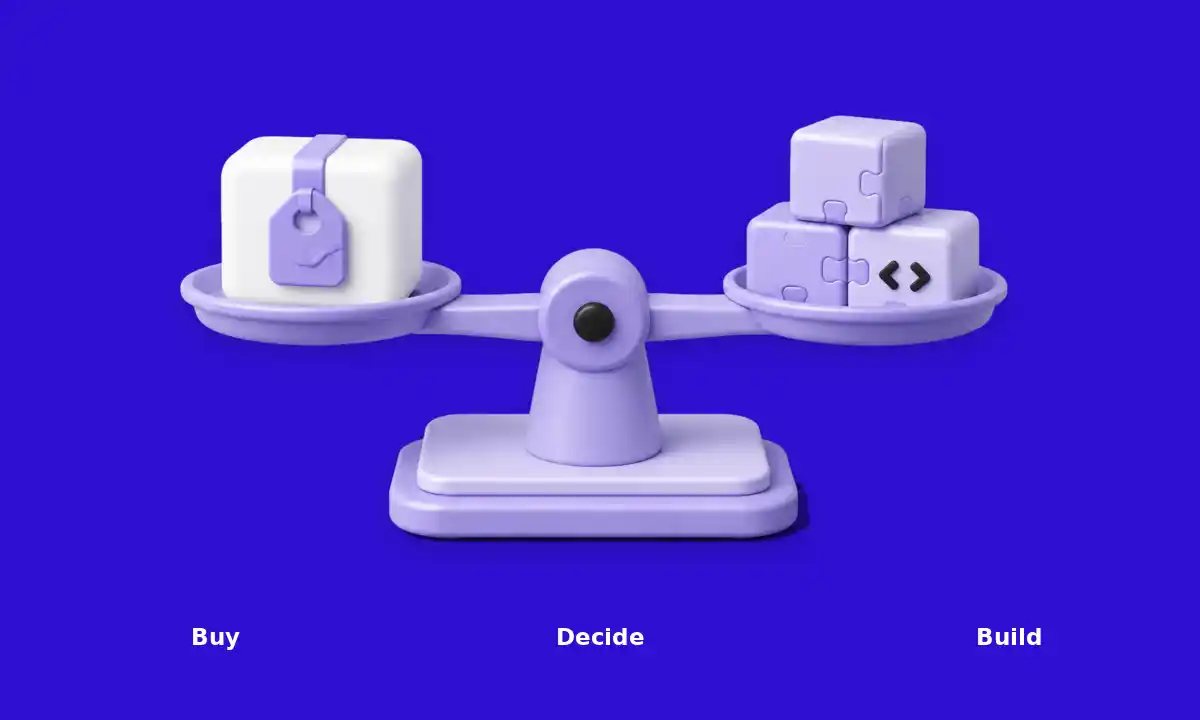
Buy vs Build Clarity
Straight answers on what to build versus buy
Most feasibility questions start here. We compare custom build, off-the-shelf, and hybrid paths against your actual constraints, not a vendor’s slide deck.
- Side-by-side cost, timeline, and risk comparison across every viable option
- A recommendation tied to your runway and team’s capability, not a generic decision matrix
- Integration complexity scored against your existing stack, not assumed away
- No pressure toward “build” just because that’s the answer that pays us more
Architecture and Integration Check
Testing whether your plan survives your actual tech stack
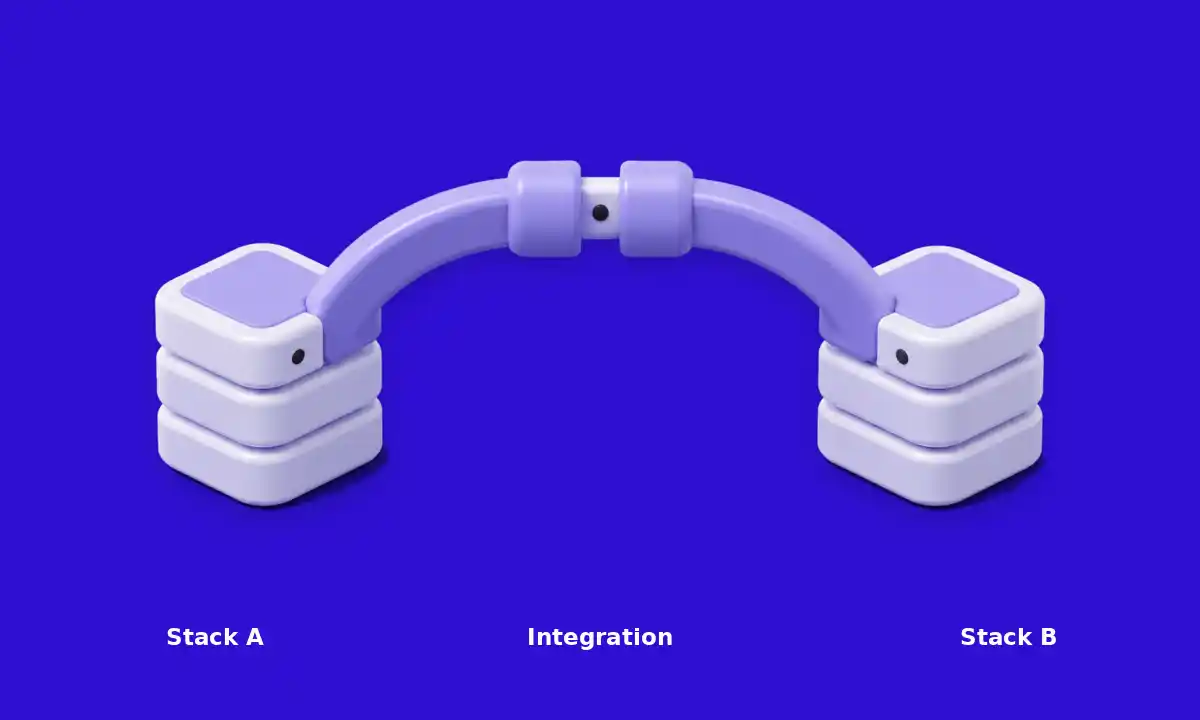
A good idea can still fail against a bad integration. We audit your current systems before anyone commits to an architecture.
- Full audit of your current stack, data model, and API surface
- Integration risks flagged before they become a sprint-three surprise
- An architecture pattern recommendation scored against your team size and skillset
- A specific list of failure points, not a vague paragraph about “risk”
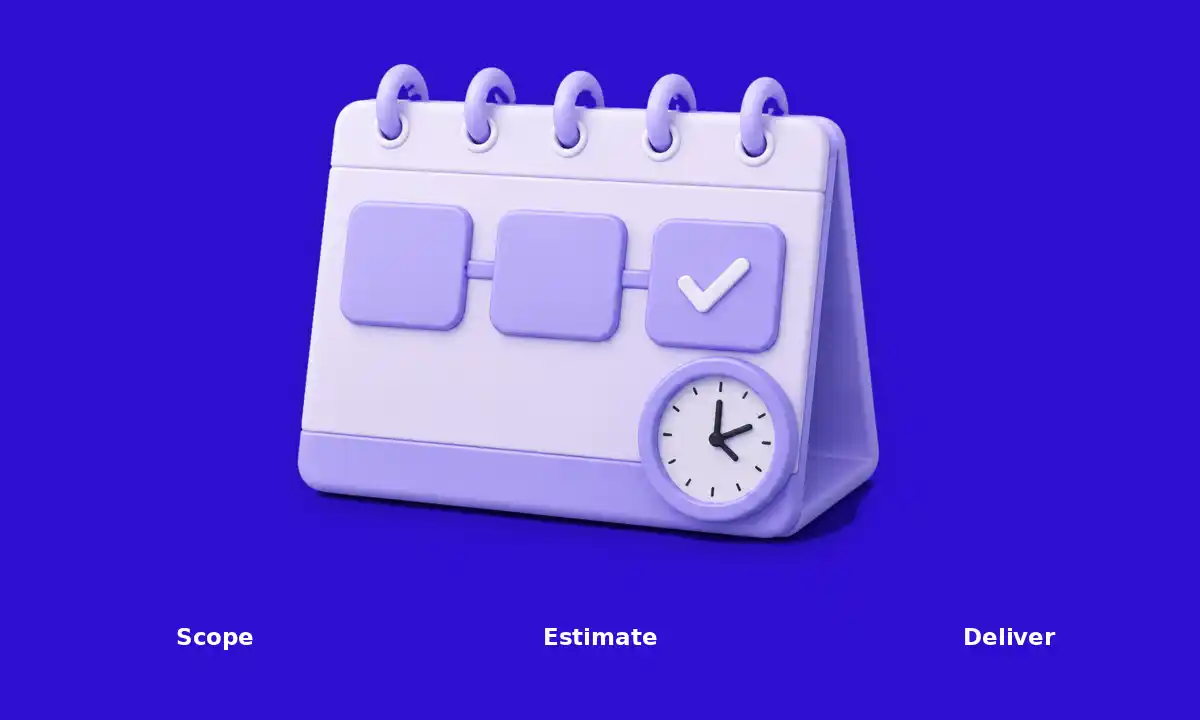
Timelines You Can Trust
Honest delivery estimates instead of optimistic sales promises
Every vendor has a timeline. Few have one that survives contact with real scope. Ours is built from actual delivery history.
- Sprint-level effort estimate broken down feature by feature
- Dependency mapping so blockers surface in week one, not week ten
- Delivery confidence rated high, medium, or low per milestone, not a single optimistic date
- Benchmarked against TAK Devs’ own 12-week average from brief to launch
Team Capability Gap Check
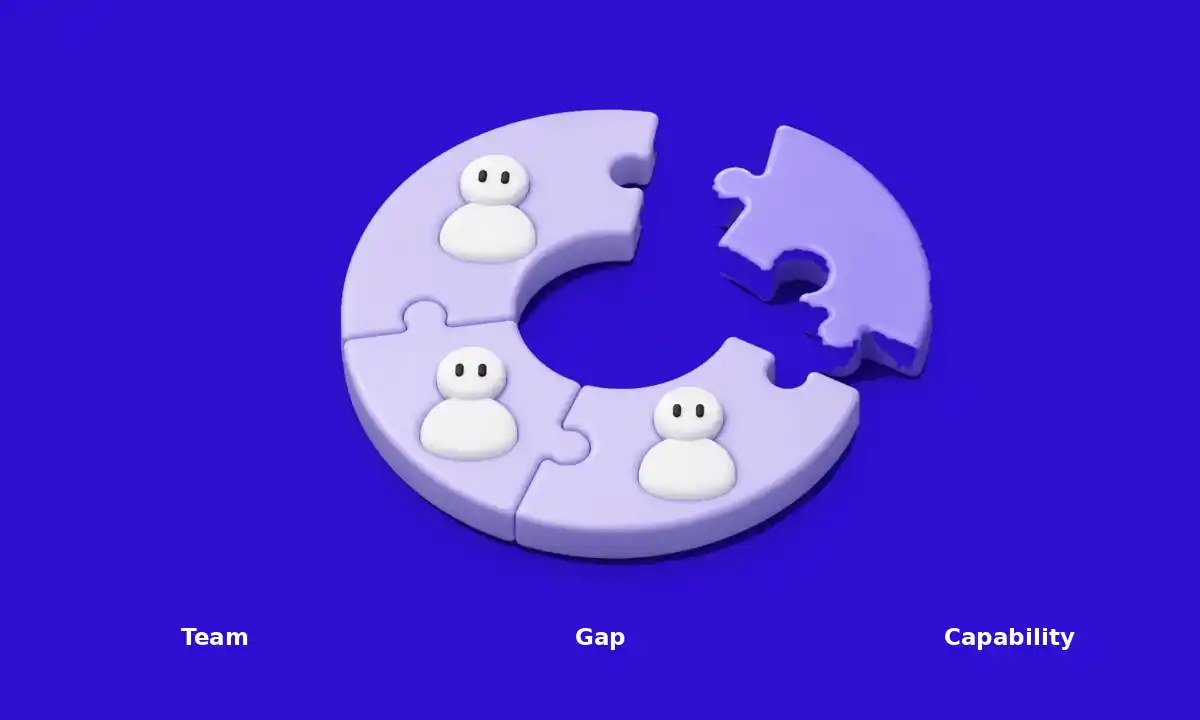
An honest read on what your team can actually build
Sometimes the blocker isn’t the idea. It’s whether the team in the room can actually ship it and keep it running.
- Skills audit measured against what the project actually needs, not a generic checklist
- A clear call on what needs outside expertise versus what your team can own
- Post-launch maintenance burden estimated honestly, before you’re the one carrying it
- No recommendation to over-hire for what is, realistically, a 3-month problem
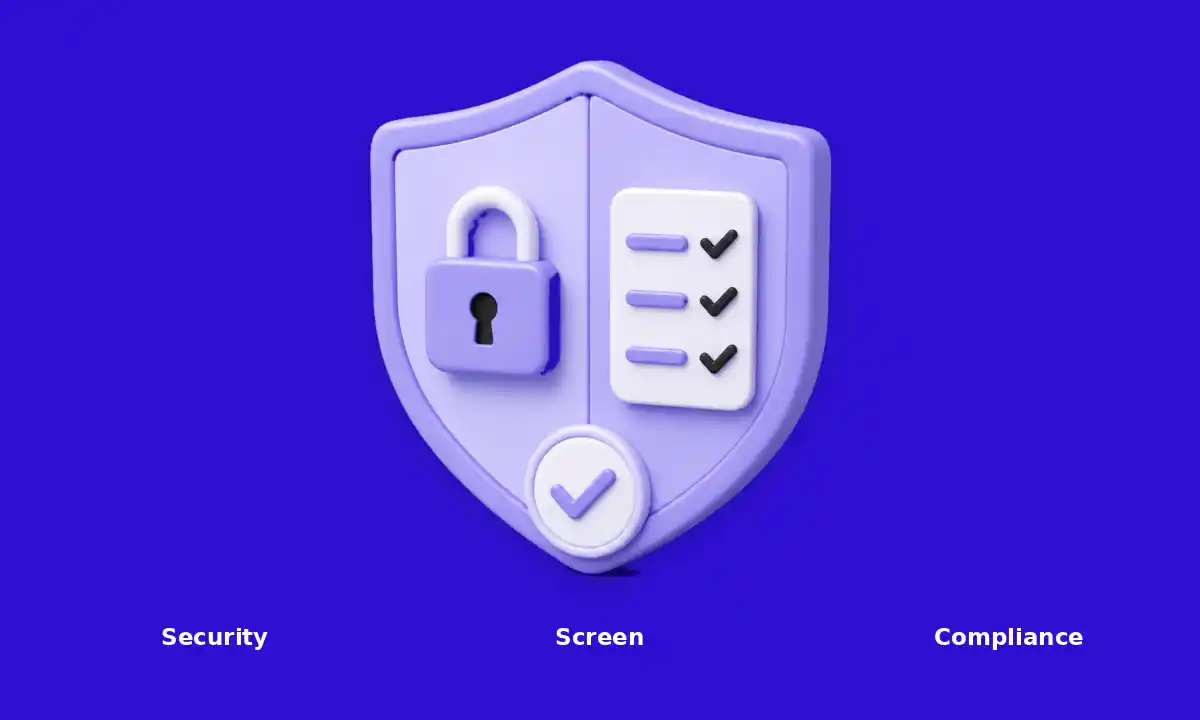
Risk and Compliance Screening
Catching security and regulatory issues before they cost you
This is where a fast build turns into a slow, expensive one. We screen for it before your architecture is locked in.
- Security and data-handling risks flagged at the design stage, not in a pre-launch audit
- HIPAA and GDPR feasibility checks built in for regulated industries like health tech and fintech
- Compliance gaps mapped to specific fixes, not a list of concerns with no owner
- Backed by a 100% HIPAA compliance track record, not a theoretical framework
The Feasibility Report
One document your whole team can actually use
The deliverable is not a slide deck. It is a working document your engineering, product, and finance people can all read the same way.
- A clear overview of every viable option, with trade-offs spelled out plainly
- One recommendation, not three neutral paths and a shrug
- A phased roadmap from proof of concept to MVP to scale
- Delivered in a working session, not emailed as a PDF and forgotten
Trusted and recognized across the industry





How TAK Devs Works
Process diagrams look the same at every agency. What matters is what actually happens inside each phase. Here is how we work in practice, refined across 150+ delivered projects.
- 150+ projects delivered
- ISO 9001 quality certified
- ISO 27001 security certified
Discovery Call
We uncover what you actually need first.
Output: problem briefScoping Workshop
Goals become a costed, prioritised delivery plan.
Output: scope and roadmapSprint Delivery
Tested, working software shipped every sprint.
Output: working softwareLaunch & Handoff
Live deployment, full docs, clean knowledge transfer.
Output: live product and docsOngoing Support
We monitor, maintain, and scale after launch.
Output: monitored and maintainedNot sure which phase you are in? Start with a discovery call and we will tell you honestly.
Book a discovery callStruggling to keep up with development demands?
See how we can streamline your workflow.
No commitment required | Takes 20 minutes !
Who We Work With
We name the fear first. Then we tell you the fix.
Founders
CTOs and VPs of Engineering
Product Managers
Ops Leaders
Industries We Serve
Feasibility scoped to how your industry actually works, not a generic template.
Health Tech
HIPAA feasibility mapped before architecture is locked in, not audited after the fact.
Fintech
Data-handling and compliance risk screened alongside the technical build-or-buy call.
Legal Tech
Feasibility scoped around the document, workflow, and confidentiality requirements specific to legal teams.
Retail and E-commerce
Integration feasibility tested against existing inventory, payment, and CRM systems.
Travel and Hospitality
Feasibility for booking, marketplace, and multi-vendor systems under real seasonal load.
SaaS
Architecture and scale feasibility assessed for products expecting fast, uneven growth.
Automotive and Mobility
Feasibility for connected, data-heavy systems with hardware and software both in scope.
Why Teams Pick TAK Devs
Fixed-Price Scoping
No surprise invoices. The feasibility engagement is quoted upfront and stays there.
Feasibility Backed by Delivery Experience
We’ve shipped 20+ projects. We’re not analyzing feasibility from a slide deck. We’re analyzing it from having built the thing before.
Compliance Day-One
100% HIPAA compliance achieved day-one on UpliftCare. Regulatory feasibility isn’t an afterthought bolted onto the report.
Boutique Capacity
We take on a limited number of engagements each quarter, so the analysis gets senior attention, not a template.
A Recommendation, Not a Report
You get an answer, not three options and a shrug. That’s the difference between a consultant and a delivery partner.
What Working With TAK Devs Actually Looks Like
In early 2025, UpliftCare came to us with a clear challenge and a tight window. They needed a complete, HIPAA-compliant telehealth marketplace connecting patients, verified therapists, and healthcare institutions. The deadline was three months, set by an investor presentation they could not move.
There was no technical architecture. No defined roadmap. Just a vision and a date.
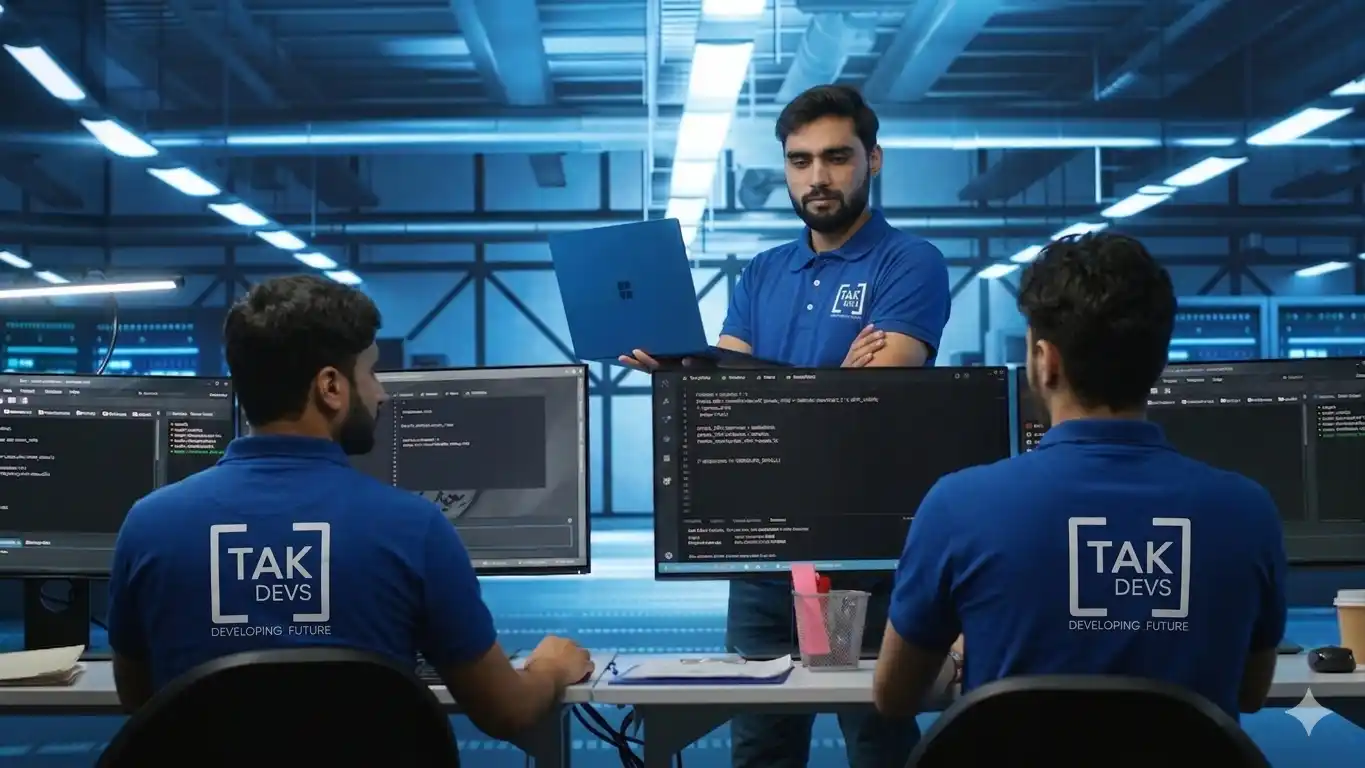
TAK Devs took on the full product lifecycle.
In six sprints and twelve weeks, we delivered:
Four connected portals covering Patient, Therapist, Admin, and Institutional workflows
Real-time video consultations via WebRTC, integrated Stripe payments, and smart scheduling
100% HIPAA-aligned architecture with full encryption across all data flows
Automated credential verification that reduced therapist onboarding time by 70%
CI/CD pipelines, automated testing, and AWS-based deployment ready for production from day one
Testimonials
I'm happy with TAK Devs Pvt Ltd's work quality. Our engagement with TAK Devs Pvt Ltd is a huge success. Our project is very complex and has many engineering metrics and variables, and the team delivers high-quality work.

TAK Devs Pvt Ltd delivered a robust system designed to handle 2 million daily users, achieving a seamless integration of PDF creation as part of the authentication process. The team consistently met deadlines and was highly responsive, flexible, transparent, understanding, and proactive.

Thanks to TAK Devs Pvt Ltd, the client can seamlessly track session duration, user engagement, and login metrics. They also can efficiently monitor appointment bookings, assess client-therapist match rates, and collect feedback. The service provider's knowledge and quality delivery are exemplary.

TAK Devs Pvt Ltd delivered a functional POC and offered detailed guidance throughout the development process. The team was helpful in explaining the project's complexities for the client to understand everything thoroughly. They communicated via virtual meetings, email, and messages.

Great communication, top understanding of Spec, autonomous development. Everything Perfect.

Real professionists, always ready to help our resident team. It's a pleasure to work with them.

Great work, implemented everything 100% as per our specifications, and very fast!

TAK Devs Pvt Ltd's efforts have been met with positive acclaim. The team is always available and communicative via virtual meetings and email. Their software development expertise and listening skills make them stand out.



Frequently Asked Questions
What is a technical feasibility analysis, and do I actually need one?
A technical feasibility analysis is a structured assessment of whether a planned build is realistic given your timeline, team, budget, and technology, delivered as a report with a clear recommendation. You need one any time you are about to commit real budget to a build based on assumptions instead of evidence, especially before a fundraising round, a compliance-sensitive launch, or a major rebuild.
- Skips the guesswork on buy vs build
- Surfaces integration and compliance risk before it gets expensive to fix
- Gives you a document you can bring to investors, a board, or your own engineering team
How long does a feasibility analysis take?
Most TAK Devs feasibility engagements run as a focused, sprint-based assessment rather than an open-ended consulting retainer, scoped to your specific questions during the initial scoping workshop. The exact timeline depends on how many dimensions you need tested (time, skills, technology, compliance), and we confirm it before the engagement starts, not after.
- Scoped in the Discovery Call and Scoping Workshop before any work begins
- Delivered as a working session, not a delayed PDF
- Timeline confirmed upfront as part of the fixed-price quote
What happens if the analysis says my idea isn't feasible right now?
You get an honest recommendation, including a “not yet” if that is the accurate answer, along with the specific blockers and what would need to change. That is the actual point of running a feasibility analysis before a build, not after one fails.
- We name the blocker rather than softening it
- You get a path to revisit later if the blocker is timing, not the idea itself
- No pressure to buy a build engagement you don’t need yet
Can you assess feasibility for an existing product, not just a new build?
Yes, a technical feasibility analysis works the same way for a new feature, a modernization effort, or a legacy system you are considering rebuilding. We audit the existing architecture and constraints instead of starting from a blank page.
- Useful before a major feature launch or platform migration
- Surfaces technical debt that changes the feasibility math
- Same buy vs build, timeline, and risk screening applied to the existing system
How is a feasibility analysis different from a discovery workshop?
A discovery workshop maps out what you want to build and why. A feasibility analysis tests whether that plan actually holds up technically, on your timeline, with your team. Many engagements start with discovery and roll straight into feasibility once the direction is set.
- Discovery answers “what should we build”
- Feasibility answers “can we actually build it, and how”
- Both can be scoped together or run separately depending on where you are
Do you sign NDAs before reviewing our product and codebase?
Yes, we sign an NDA before reviewing any proprietary codebase, architecture documents, or business plans as standard practice. Confidentiality is part of the standard engagement terms, not an add-on you have to negotiate.
- NDA signed before any technical materials are shared
- Standard for every feasibility engagement, not just larger clients
- Data protection terms confirmed during scoping, before access is granted
What does a technical feasibility analysis cost?
Pricing is fixed and quoted upfront during the Scoping Workshop, based on how many dimensions of feasibility you need tested and how complex your existing systems are. We don’t publish a flat number because a single-feature check and a full compliance-heavy platform review are genuinely different scopes of work.
- Fixed-price, confirmed before work starts
- No surprise invoices partway through
- Scaled to what you actually need tested, not a one-size package
Who owns the feasibility report and roadmap after delivery?
You do. The report, the roadmap, and any recommendations belong to you outright once delivered, whether or not you choose TAK Devs for the build that follows. That is a deliberate choice: the analysis has to be useful on its own.
- Full ownership transfers on delivery
- Usable with any development partner you choose
- No obligation to continue into a build engagement
What if we run the analysis and decide to build with another team?
That’s a fine outcome. The feasibility report is designed to stand on its own and hand off cleanly to any engineering team you choose, not just TAK Devs. If there’s no fit for the build phase, we’ll say so and point you toward who is better suited.
- No lock-in tied to the feasibility engagement
- Report written to be usable by any team, not TAK-Devs-specific jargon
- Honest referral if we’re not the right build partner
What's the biggest mistake teams make when they skip feasibility analysis?
The most common mistake is committing to a timeline and budget based on the easiest version of the plan, then discovering the real technical or compliance complexity three sprints in, when it’s expensive to change course. A feasibility analysis exists specifically to surface that complexity while it’s still cheap to act on.
- Compliance gaps discovered after architecture is already locked in
- Integration complexity underestimated because it wasn’t tested against the real stack
- Timelines set before anyone checked whether the team could actually hit them
How do you assess feasibility for HIPAA or GDPR-regulated products?
We map your intended architecture against the specific compliance requirements your industry triggers, HIPAA for health tech or GDPR for products handling EU user data, before the build is scoped. This is the same process that got UpliftCare to 100% HIPAA compliance on day one, not a compliance review bolted on after launch.
- Compliance requirements mapped to architecture decisions, not treated as a separate checklist
- Gaps flagged with a specific fix, not just a warning
- Verified track record: UpliftCare, HIPAA, day one
Can't we just run this feasibility analysis ourselves, in-house?
You can, and for a small, well-understood feature, an in-house team often should. Bringing in an outside team makes the most sense when the build touches unfamiliar architecture, regulatory requirements, or a technology your team hasn’t shipped in production before, since an internal review tends to underweight risks a team can’t see from the inside.
- In-house works well when the team has shipped something comparable before
- An outside review catches blind spots a team close to the project tends to miss
- Either way, the deliverable should be a real recommendation, not just reassurance