




What We Build
Everything an optimization stack needs, built around your operations.
Ten capabilities, one goal: processes that run faster, break less, and cost less. Start with the one that hurts most, then add the rest as you grow.
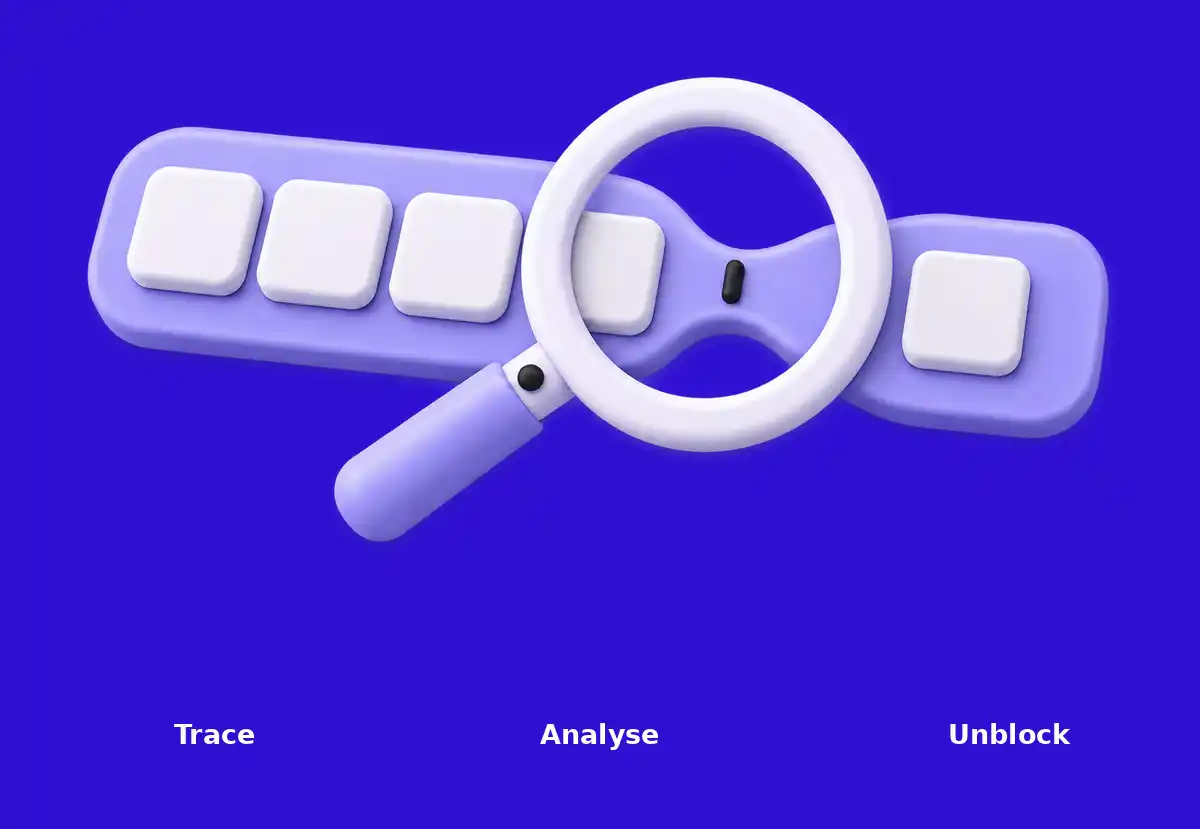
Find Where Work Stalls
Process analytics that expose bottlenecks your dashboards politely ignore
Process analytics measures each step of a workflow to locate delays, rework, and waste, so you stop guessing where the bottleneck is. We show you.
- Map workflows from real event data in your ERP, CRM, ticketing, and operational systems
- Measure cycle time, rework loops, and handoff delays step by step
- Rank bottlenecks by dollar cost, so you fix the expensive one first
- Capture baselines, so every improvement has a before and after
- Role-based dashboards your operators can read without a data degree
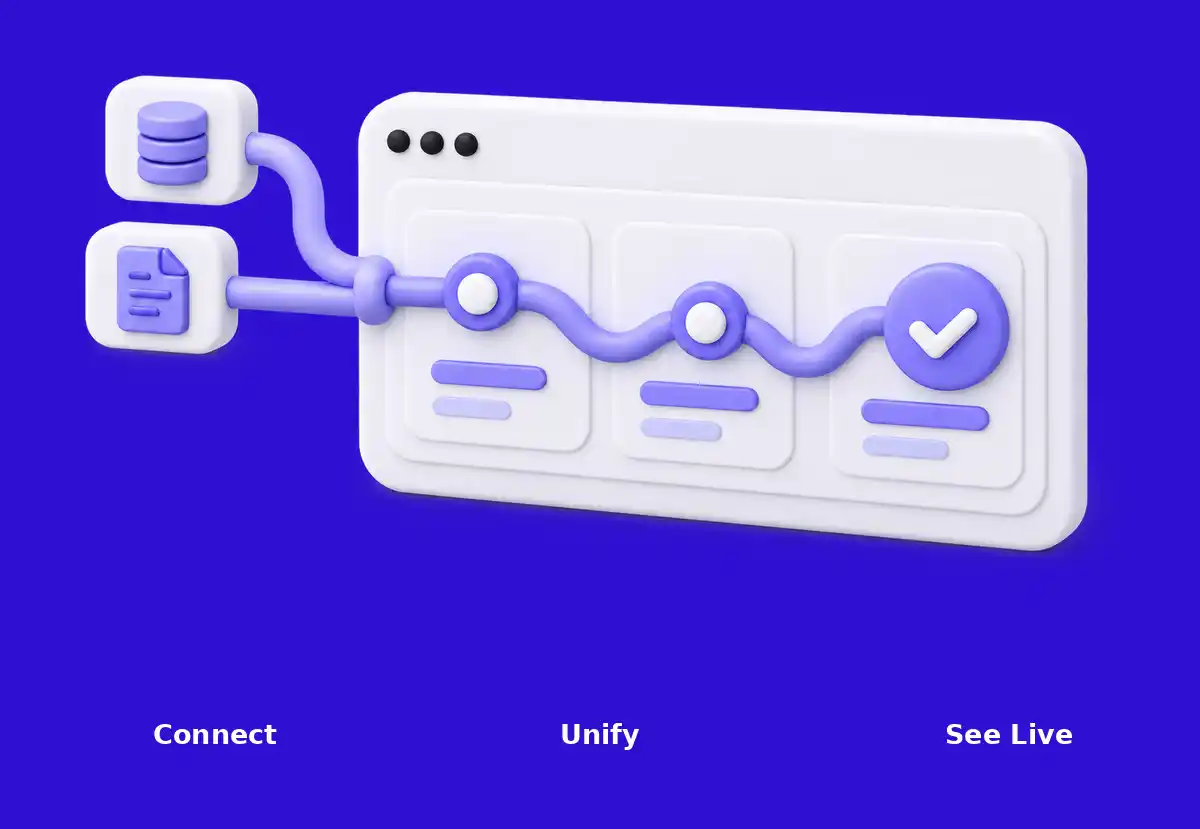
One View, Zero Spreadsheets
Every source, one live picture of how work flows
Field audits compiled by Ray Panko of the University of Hawaii found errors in 88% of 113 spreadsheets audited between 1995 and 2007, as reported in the Journal of Accountancy. Running operations on spreadsheets is a bet you keep losing quietly.
- Connect ERP, CRM, historians, IoT feeds, and spreadsheets into one governed data layer
- Validate and clean data on the way in, so reports stop arguing with each other
- Real-time operational dashboards with the KPIs each role actually needs
- Audit trails for every change, built to support ISO 9001 style quality records
- Cloud or on-premise deployment when data residency demands it
Recommendations Operators Trust
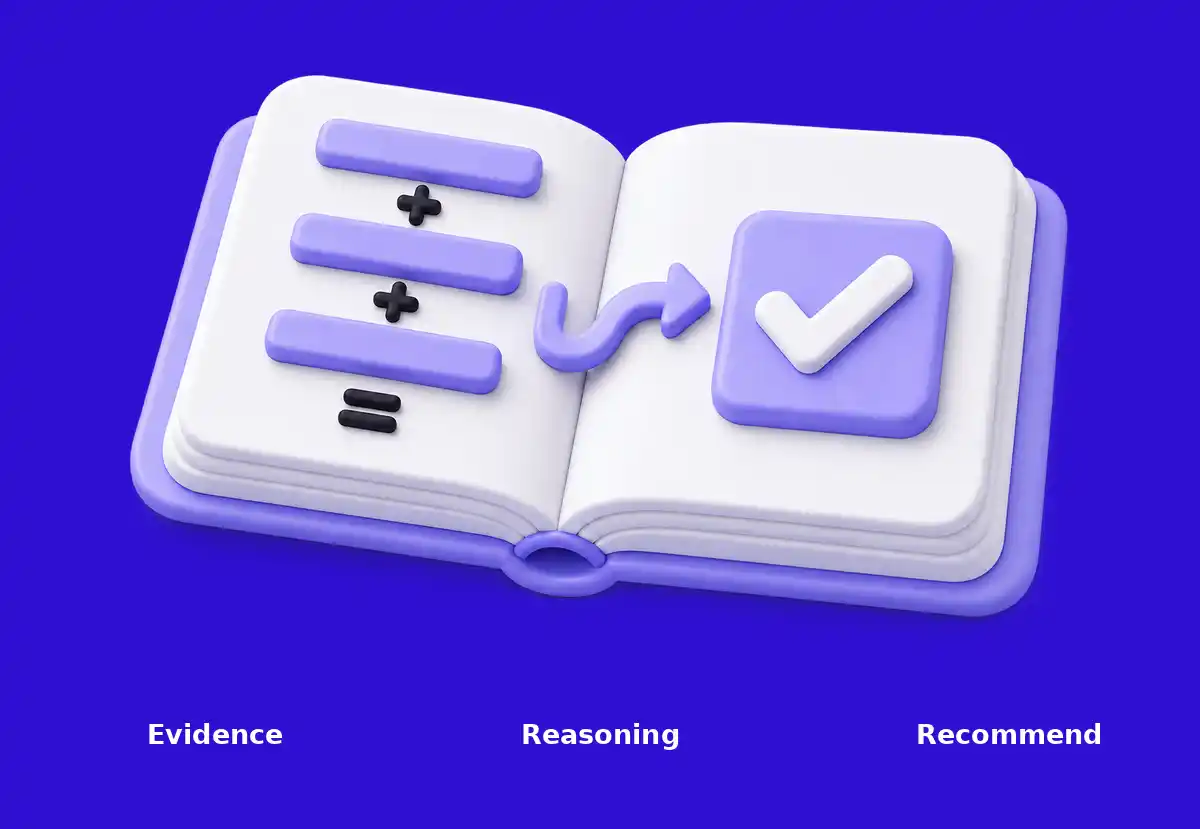
Explainable AI that shows its math before asking for trust
McKinsey’s State of AI in 2025 survey found that 88% of organizations use AI in at least one business function, but only about one-third have begun scaling it across the enterprise. Our view: the gap is integration, not intelligence.
- Machine learning trained on your process data, not generic benchmarks
- Recommended actions with the reasoning shown, so operators can accept or override
- Adaptive modeling that mixes rule-based, statistical, and ML methods per process
- Parameter and setpoint suggestions for processes with measurable inputs and outputs
- MLOps monitoring that catches model drift before it costs you money
Fix Machines Before Failure
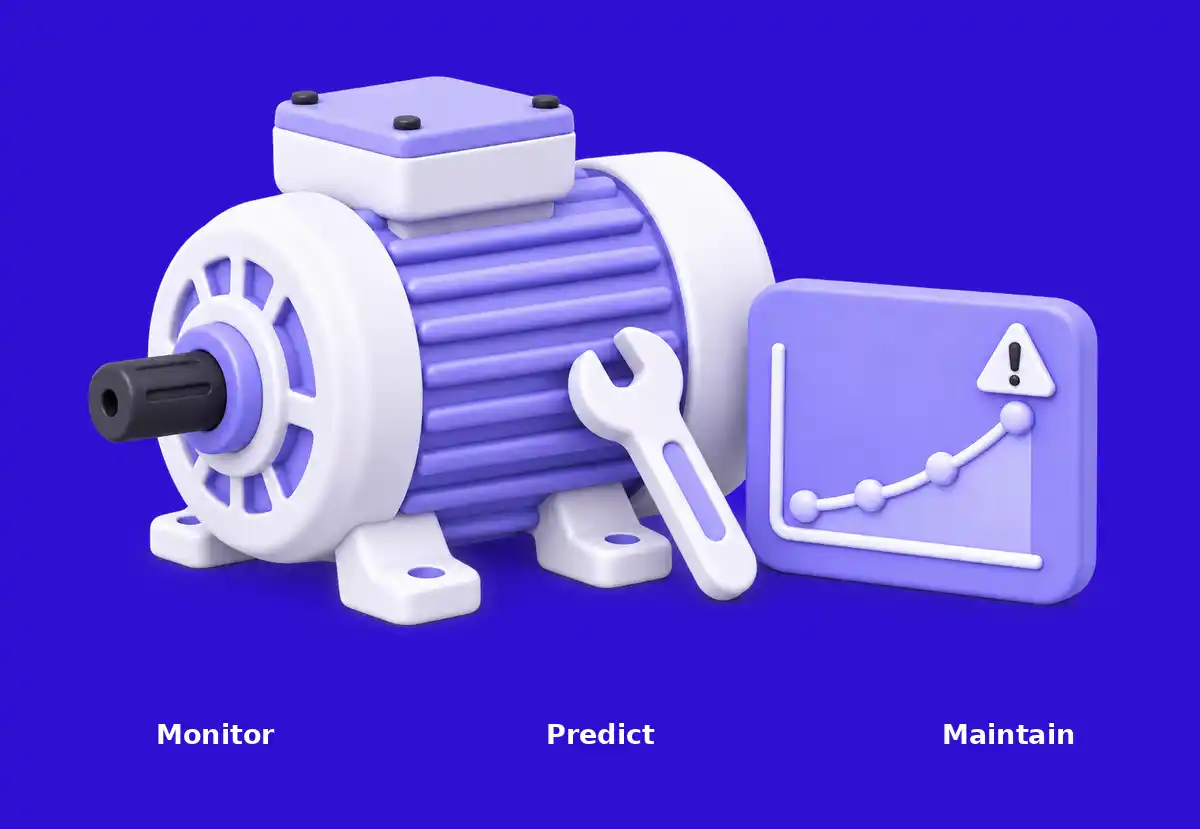
Predictive maintenance that catches trouble before the midnight phone call
Predictive maintenance uses sensor data and maintenance history to flag equipment likely to fail before it does. Unplanned downtime is an expensive way to learn what a failing bearing sounds like.
- Anomaly detection across sensor, log, and work-order data
- Failure-risk scores per asset, ranked by business impact
- Maintenance schedules that follow condition, not the calendar
- Asset lifecycle tracking from installation to retirement
- Alerts routed to the right person in the tools your team already uses
Quality That Stays Put
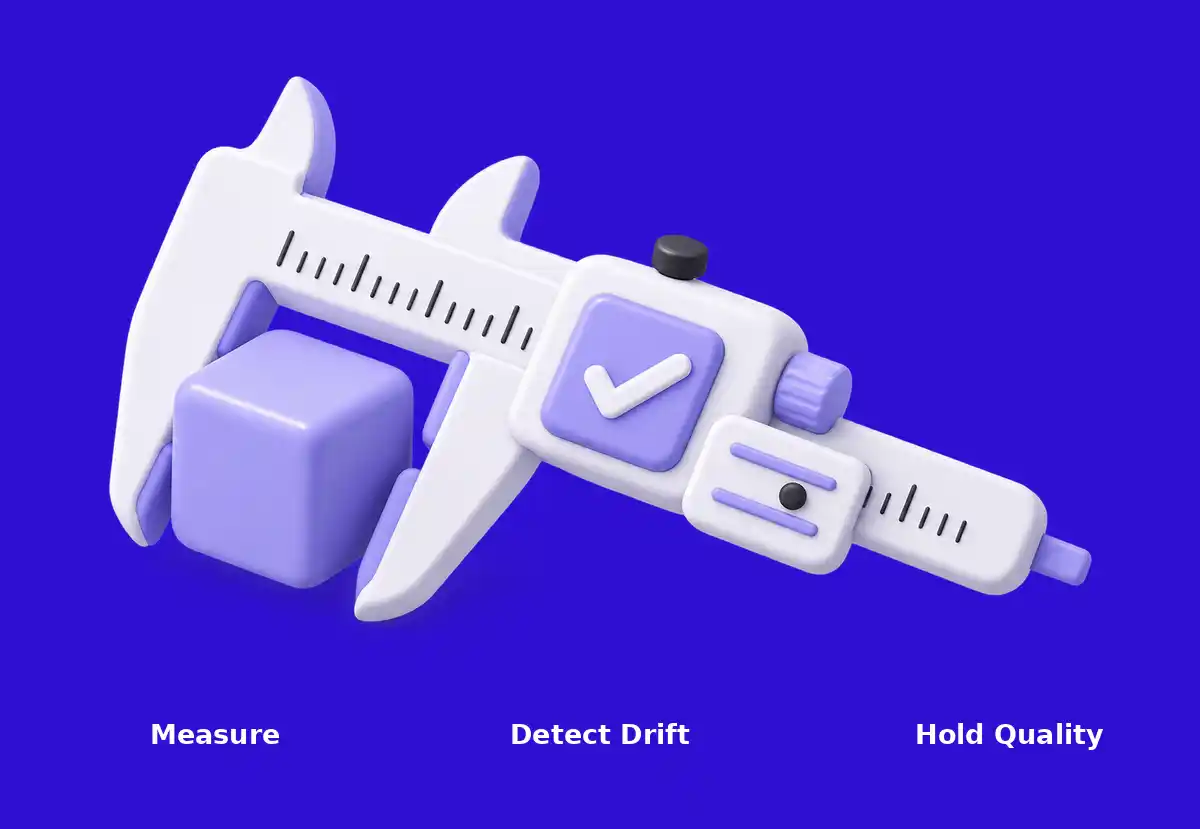
Catch drift early so off-spec output stops reaching customers
Quality drift is a slow leak: output creeps off-spec long before anyone sounds an alarm. We build monitoring that catches the creep.
- Statistical process control charts with automatic drift alerts
- Root-cause views linking defects to upstream settings, shifts, and suppliers
- Yield and off-spec tracking by line, batch, or workflow
- Searchable quality records, ready for the next audit
- Feedback loops so fixes stay fixed
Automate the Repetitive Bits
Hand routine approvals and handoffs to software, not senior people
Workflow automation moves routine approvals, data entry, and handoffs from people to software. Your best people should not be the glue between two systems.
- Automation candidates pulled from process analytics, ranked by hours saved
- Approvals, notifications, and escalations built into tools you already use
- AI agents for document-heavy and rules-heavy steps, with human review gates
- Integrations with ERP and CRM platforms, including Odoo
- Exceptions routed to humans with full context attached
Smarter Resource Planning
Know what capacity you have before you promise it
Resource planning matches people, equipment, and materials to demand. Overpromise capacity once and you learn the expensive way.
- Capacity and utilization views across teams, sites, and assets
- Scheduling support that respects skills, shifts, and maintenance windows
- Scenario planning for demand spikes
- Cost tracking tied to each process step
- Early alerts when a plan starts to slip
Test Changes Without Risk
Simulate the change first, then touch the real process
Process simulation, sometimes called a lightweight digital twin, is a virtual model of your workflow used to test changes before you make them. It is cheaper to break a model than a production line.
- Workflow models built from your historical data
- What-if scenarios for staffing, volumes, and sequence changes
- Side-by-side comparison of cost, time, and quality before you commit
- Models kept current as the real process evolves
- Honest scope: we simulate process flow and planning, not physics-grade engineering models
Ask Your Operations Anything
Natural language search over procedures, logs, and live process data
A natural-language assistant lets staff query procedures, records, and live data in plain English. It answers from your own documents and data, with sources shown.
- Search across SOPs, manuals, tickets, and process records
- Plain-English questions about KPIs, such as why throughput dropped on Tuesday
- Every answer cites its source, so people can verify before they act
- Role-based access, so people only see what they should
- Deployed in your cloud environment to keep data under your control
Plays Nicely With Legacy
Connect old systems without ripping out what already works
Legacy systems are rarely the real problem. Systems that cannot talk to each other are.
- APIs and connectors for ERP, CRM, historians, and databases
- Incremental rollout: one process first, then the next
- No rip-and-replace of systems that already work
- Data migration and cleanup handled as part of the build
- Security reviewed against ISO 27001 practices
Trusted and recognized across the industry




How TAK Devs Works
Process diagrams look the same at every agency. What matters is what actually happens inside each phase. Here is how we work in practice, refined across 150+ delivered projects.
- 150+ projects delivered
- ISO 9001 quality certified
- ISO 27001 security certified
Discovery Call
We uncover what you actually need first.
Output: problem briefScoping Workshop
Goals become a costed, prioritised delivery plan.
Output: scope and roadmapSprint Delivery
Tested, working software shipped every sprint.
Output: working softwareLaunch & Handoff
Live deployment, full docs, clean knowledge transfer.
Output: live product and docsOngoing Support
We monitor, maintain, and scale after launch.
Output: monitored and maintainedNot sure which phase you are in? Start with a discovery call and we will tell you honestly.
Book a discovery callStruggling to keep up with development demands?
See how we can streamline your workflow.
No commitment required | Takes 20 minutes !

Who We Work With
Five roles, five very specific ways process pain shows up.
Founders
CTOs and VPs of Engineering
Operations Leaders
Data and ML Leads
Quality and Compliance Leads
Industries We Serve
Process pain looks different everywhere, so each build does too.
Health Tech
Onboarding, scheduling, and compliance workflows on HIPAA-aligned architecture.
Fintech
Approval flows, transaction matching, and exception handling with audit trails.
Mobility
Dispatch operations, fleet maintenance prediction, and utilization planning.
Retail
Inventory, fulfillment, and returns workflows tied to real-time demand.
SaaS
Customer onboarding and support operations that scale without adding chaos.
Legal Tech
Matter intake, document review routing, and deadline tracking.
Consulting
Delivery tracking and utilization across engagements.
Travel
Booking, itinerary changes, and partner handoffs.
Manufacturing & Industrial
Production dashboards, quality tracking, and maintenance workflows that sit above your existing control systems.
Why Teams Pick TAK Devs
Fixed-Price Scoping
Fixed-price options for scoped work, quoted after the scoping workshop. No surprise invoices, no lock-in contracts.
Production-Ready by Default
An average of 12 weeks from brief to launch, built for production, not for demo-day theatre. Manual and automated QA run inside every sprint, not after launch.
Security You Can Audit
ISO 27001 certified for information security and ISO 9001 certified for quality management. GDPR-aware design and DevSecOps practices run across every build.
Whole-Lifecycle Ownership
Strategy, UI/UX, development, QA, cloud, and maintenance under one accountable team, backed by 150+ projects delivered across the US and Europe.
Boutique Capacity
We take on a limited number of new engagements each quarter to maintain delivery quality.
Honest Scope
We build the optimization layer above your control systems and do not rewrite certified safety-critical controls. If there is no fit, we will point you to who is better suited.
What Working With TAK Devs Actually Looks Like
In early 2025, UpliftCare came to us with a clear challenge and a tight window. They needed a complete, HIPAA-compliant telehealth marketplace connecting patients, verified therapists, and healthcare institutions. The deadline was three months, set by an investor presentation they could not move.
There was no technical architecture. No defined roadmap. Just a vision and a date.
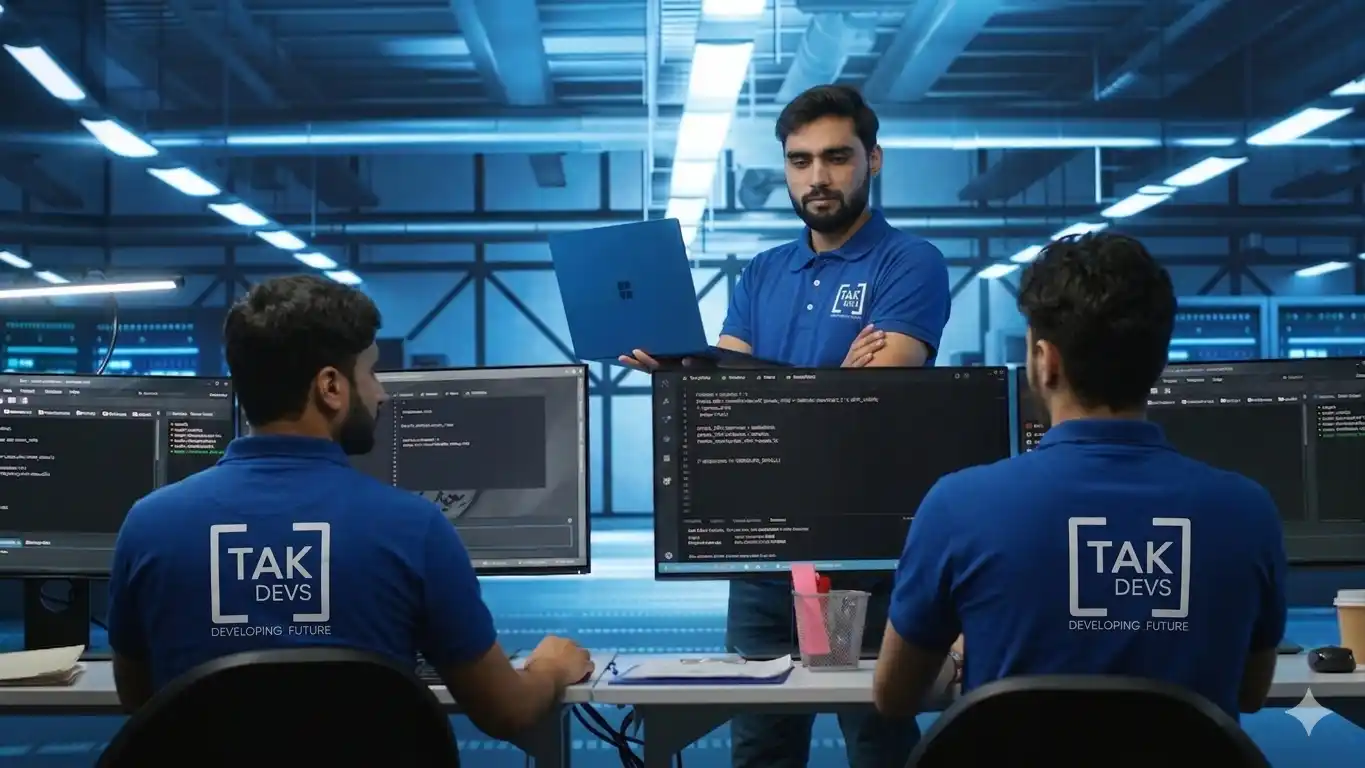
TAK Devs took on the full product lifecycle.
In six sprints and twelve weeks, we delivered:
Four connected portals covering Patient, Therapist, Admin, and Institutional workflows
Real-time video consultations via WebRTC, integrated Stripe payments, and smart scheduling
100% HIPAA-aligned architecture with full encryption across all data flows
Automated credential verification that reduced therapist onboarding time by 70%
CI/CD pipelines, automated testing, and AWS-based deployment ready for production from day one
Testimonials
I'm happy with TAK Devs Pvt Ltd's work quality. Our engagement with TAK Devs Pvt Ltd is a huge success. Our project is very complex and has many engineering metrics and variables, and the team delivers high-quality work.

TAK Devs Pvt Ltd delivered a robust system designed to handle 2 million daily users, achieving a seamless integration of PDF creation as part of the authentication process. The team consistently met deadlines and was highly responsive, flexible, transparent, understanding, and proactive.

Thanks to TAK Devs Pvt Ltd, the client can seamlessly track session duration, user engagement, and login metrics. They also can efficiently monitor appointment bookings, assess client-therapist match rates, and collect feedback. The service provider's knowledge and quality delivery are exemplary.

TAK Devs Pvt Ltd delivered a functional POC and offered detailed guidance throughout the development process. The team was helpful in explaining the project's complexities for the client to understand everything thoroughly. They communicated via virtual meetings, email, and messages.

Great communication, top understanding of Spec, autonomous development. Everything Perfect.

Real professionists, always ready to help our resident team. It's a pleasure to work with them.

Great work, implemented everything 100% as per our specifications, and very fast!

TAK Devs Pvt Ltd's efforts have been met with positive acclaim. The team is always available and communicative via virtual meetings and email. Their software development expertise and listening skills make them stand out.

Frequently Asked Questions
What is process optimization software?
Process optimization software is a system that measures how work flows through your operations, finds bottlenecks, waste, and quality drift, and recommends or automates improvements. It combines data from your existing systems with analytics and, increasingly, machine learning. The goal is simple: more output, fewer errors, and lower cost from the processes you already run.
- Measures cycle time, rework, and handoff delays
- Recommends fixes ranked by cost and impact
- Automates routine approvals and data movement
- Monitors drift, failures, and capacity in real time
How does process optimization software work?
It works in four stages: connect data from your systems, map and measure how each process actually runs, analyze where time, money, or quality leak, then recommend or automate the fix. Operators review the recommendations, and their feedback improves the models over time. Each stage produces something usable, so value starts before the full build is done.
- Connect: pull data from ERP, CRM, sensors, and spreadsheets
- Measure: build a baseline for each process step
- Recommend: surface ranked fixes with reasoning shown
- Learn: retrain on operator decisions and new data
Should we build custom process optimization software or buy a platform?
Build custom when your workflows are a competitive advantage or your data does not fit standard templates. Buy a packaged platform when your process is standard and your team can adopt the vendor’s way of working. Many companies do both: a platform for the commodity process and a custom layer for the one that differentiates them.
- Custom suits unique workflows and full control over the logic
- A platform suits standard processes and fast setup
- A hybrid suits teams with one differentiating process
How do I know it will work with my data?
You will know within the first few weeks, because the scoping workshop starts with an audit of your real data sources. We check availability, quality, and gaps before committing to a build plan. If your data cannot support the goal yet, we say so and recommend what to fix first.
- Review sample exports from your systems
- Test a prototype against real records
- Plan for data gaps before they become delays
How long before we see results?
A first working process typically launches in about 12 weeks, based on TAK Devs’ average delivery from brief to launch. Measurable improvement depends on the process, your baseline, and how quickly your team adopts the tool. Bi-weekly sprint demos show progress along the way, so you are never waiting blind.
- Weeks 1 to 2: discovery and scoping
- Bi-weekly: working builds and demos
- Launch: handoff, training, and support begin
What does process optimization software pricing look like?
Pricing depends on scope: the number of processes, data sources, integrations, and whether AI models are involved. TAK Devs offers fixed-price options for scoped work, quoted after the scoping workshop so there are no surprise invoices. You pay for the outcome you scoped, not for per-user licenses that climb with every new hire.
- Fixed-price options for defined scope
- Transparent scoping before any commitment
- Ongoing support priced separately and clearly
What if my team can't maintain it after launch?
You do not need a data science team to keep it running. Every launch includes documentation, training, and a CI/CD setup, and ongoing support is available under SLA-backed plans. Your team operates the tool, and we can handle monitoring, model retraining, and improvements if you want us to.
What if we start and realize it's not the right fit?
You can walk away with no long-term lock-in. If the discovery call shows that a simpler fix or a packaged platform suits you better, we will say so and point you to who is better suited. Scoping is transparent, so you see costs and milestones before you commit to anything.
Will it replace my ERP, historian, or control systems?
No. TAK Devs builds the optimization layer that sits on top of your ERP, CRM, historians, and databases, and reads from them through APIs and connectors. We do not rewrite certified safety-critical control systems. Your existing systems stay the source of truth, and the new layer adds visibility, analytics, and recommendations.
How do you keep our operational data secure?
TAK Devs is ISO 27001 certified for information security and ISO 9001 certified for quality management. Security is designed in from the start: access controls, encryption, audit trails, and DevSecOps practices run through every sprint. For regulated work like our HIPAA-aligned UpliftCare build, compliance requirements are scoped on day one, not bolted on at the end.