




What We Build
Every major testing category, covered by senior engineers. Most teams don’t need another scanner. They need someone to read the results and tell them what actually matters. Here’s what’s in scope.
Real Attacks, Not Guesses
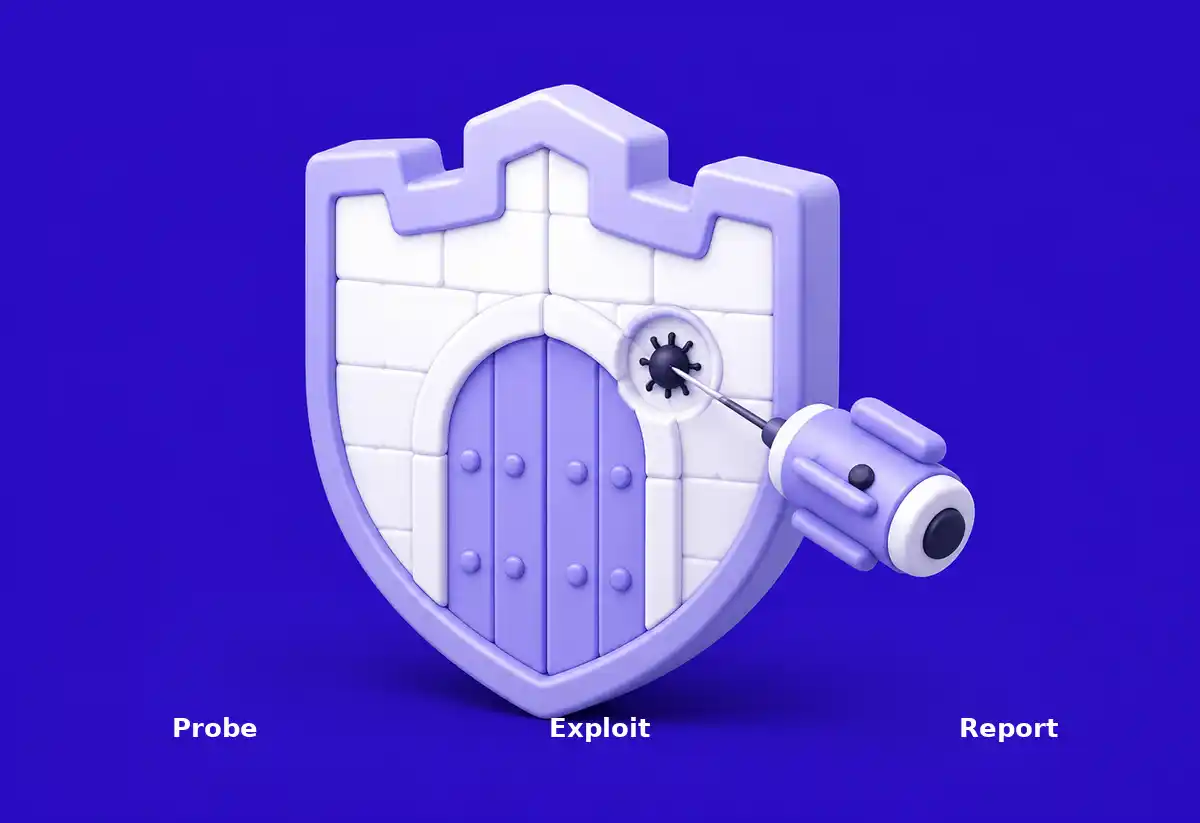
Certified testers simulate real-world attackers targeting your app
Automated scanners miss chained exploits and business logic flaws. Our testers find what the tools cannot.
- Manual testing aligned to the OWASP Testing Guide’s methodology, covering authentication, session management, input validation, and more.
- Black-box, gray-box, and white-box engagements scoped to your risk tolerance.
- Senior testers only, never junior staff learning on your production app.
- Exploit chains mapped to business impact, not just a raw CVE list.
- Red-team style engagements available for teams ready to test detection and response, not just vulnerabilities.
- Retesting included after fixes ship.
Continuous Security Testing
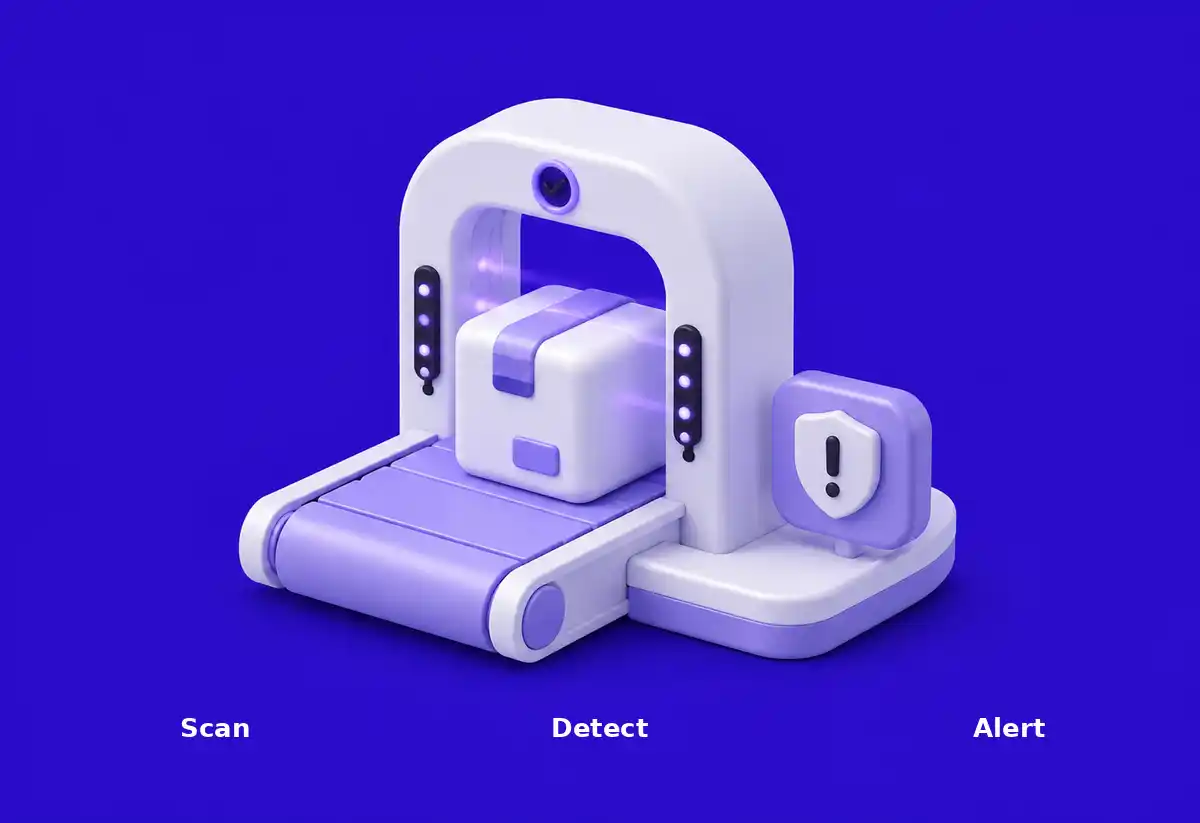
Automated scanning that catches issues between manual testing cycles
Code changes daily. Your security testing should too.
- Dynamic Application Security Testing (DAST) against your running application, the same black-box view an attacker gets.
- Static Application Security Testing (SAST) scans source code for flaws before they reach production.
- Interactive testing (IAST) for applications where DAST and SAST alone leave blind spots.
- Out-of-band (OAST) techniques to catch blind vulnerabilities that standard scanning misses.
APIs Under Real Pressure
Your APIs are the door most scanners forget to check
REST, GraphQL, and internal APIs all get tested the way an attacker actually approaches them.
- Broken object-level authorization (BOLA) and excessive data exposure checks, mapped to the OWASP API Security Top 10.
- Rate limiting, token handling, and authentication bypass testing.
- Third-party and partner-facing APIs included in scope, not only customer-facing ones.
- Full request and response logging so your team can reproduce every finding.
Logins That Actually Hold
Broken authentication is still one of the fastest ways in
Weak password policies and leaky session cookies open the door long before an attacker needs a zero-day.
- Brute-force resistance, password policy, and account lockout testing.
- Session cookie encryption, expiration, and hijack-resistance checks.
- Multi-factor authentication bypass and privilege escalation attempts.
- Role-based access verified, not just assumed from the UI.
Logic Attackers Exploit
The flaws automated scanners miss because nothing looks technically broken
SQL injection and cross-site scripting still work because input validation gets skipped under deadline pressure.
So does business logic that only makes sense to the person who built it.
- SQL injection, XSS, and CSRF testing across every input field and parameter.
- Business logic abuse: coupon stacking, price manipulation, workflow bypass.
- Client-side testing included, since browsers run code too.
- Error handling reviewed so stack traces stop leaking your architecture.
Code Reviewed Before Ship
Catch the flaw in the code before it ships
Some vulnerabilities never show up in a running app. They only show up in the source.
- Manual and tool-assisted review of authentication, cryptography, and data-handling code.
- Configuration and deployment review, since a misconfigured server undoes good code.
- Dependency and third-party library checks for known CVEs.
- Findings mapped to fix effort, so engineering can prioritize by impact, not alphabetically.
Compliance Without Guesswork
Security testing mapped to the standard your industry enforces
HIPAA, GDPR, and PCI-DSS all expect evidence, not intentions.
TAK Devs tests against the actual control requirements, not a generic checklist.
- HIPAA-aligned testing for health tech platforms handling PHI.
- PCI-DSS-relevant testing for e-commerce and payment flows.
- GDPR-relevant data protection and encryption testing for EU-facing apps.
- Audit-ready reports, written for engineers and compliance reviewers alike.
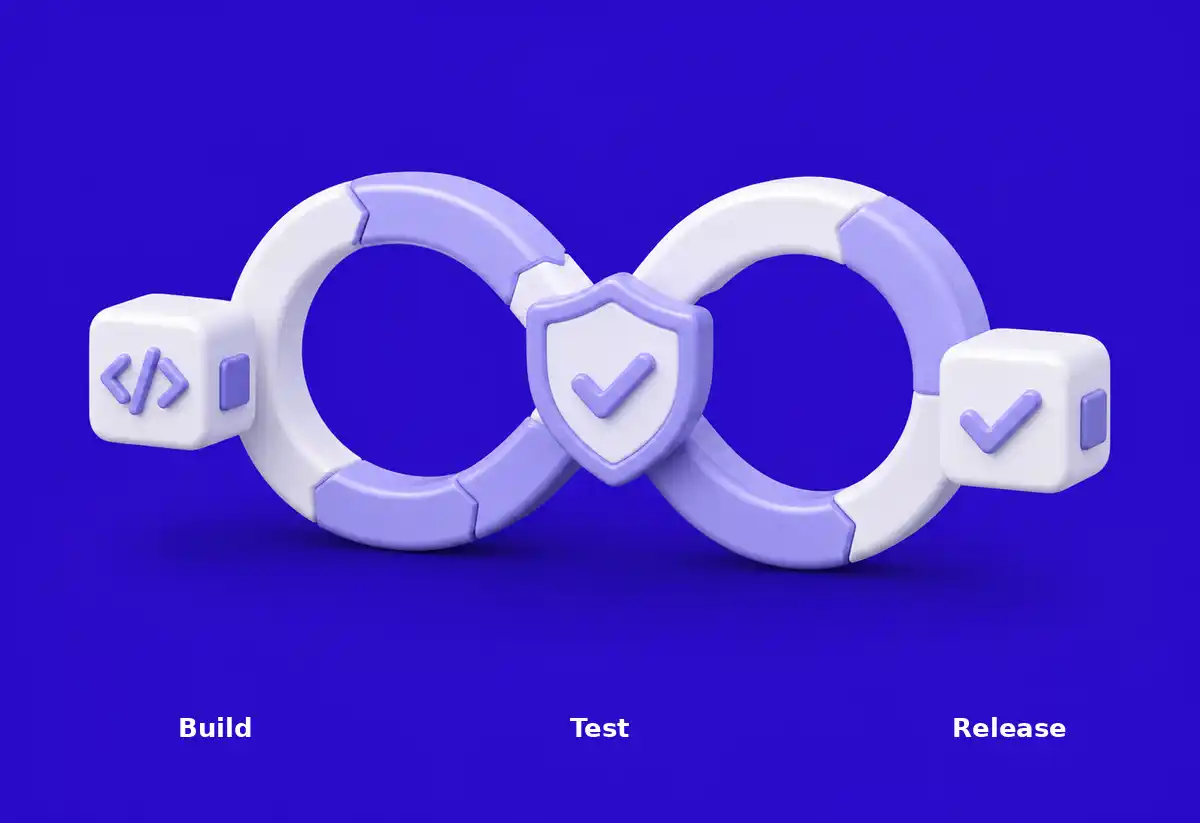
Security Built Into CI/CD
Testing that runs in your pipeline, not after launch
Security tacked on right before launch is expensive and late. TAK Devs builds testing into the pipeline instead.
- Automated scans wired into your CI/CD so every build gets checked.
- Shift-left testing that catches issues in development, not production.
- Findings delivered where your team already works, not a separate portal nobody opens.
- Scheduled re-scans and dependency monitoring between major testing cycles.
Trusted and recognized across the industry




How TAK Devs Works
Process diagrams look the same at every agency. What matters is what actually happens inside each phase. Here is how we work in practice, refined across 150+ delivered projects.
- 150+ projects delivered
- ISO 9001 quality certified
- ISO 27001 security certified
Discovery Call
We uncover what you actually need first.
Output: problem briefScoping Workshop
Goals become a costed, prioritised delivery plan.
Output: scope and roadmapSprint Delivery
Tested, working software shipped every sprint.
Output: working softwareLaunch & Handoff
Live deployment, full docs, clean knowledge transfer.
Output: live product and docsOngoing Support
We monitor, maintain, and scale after launch.
Output: monitored and maintainedNot sure which phase you are in? Start with a discovery call and we will tell you honestly.
Book a discovery callStruggling to keep up with development demands?
See how we can streamline your workflow.
No commitment required | Takes 20 minutes !
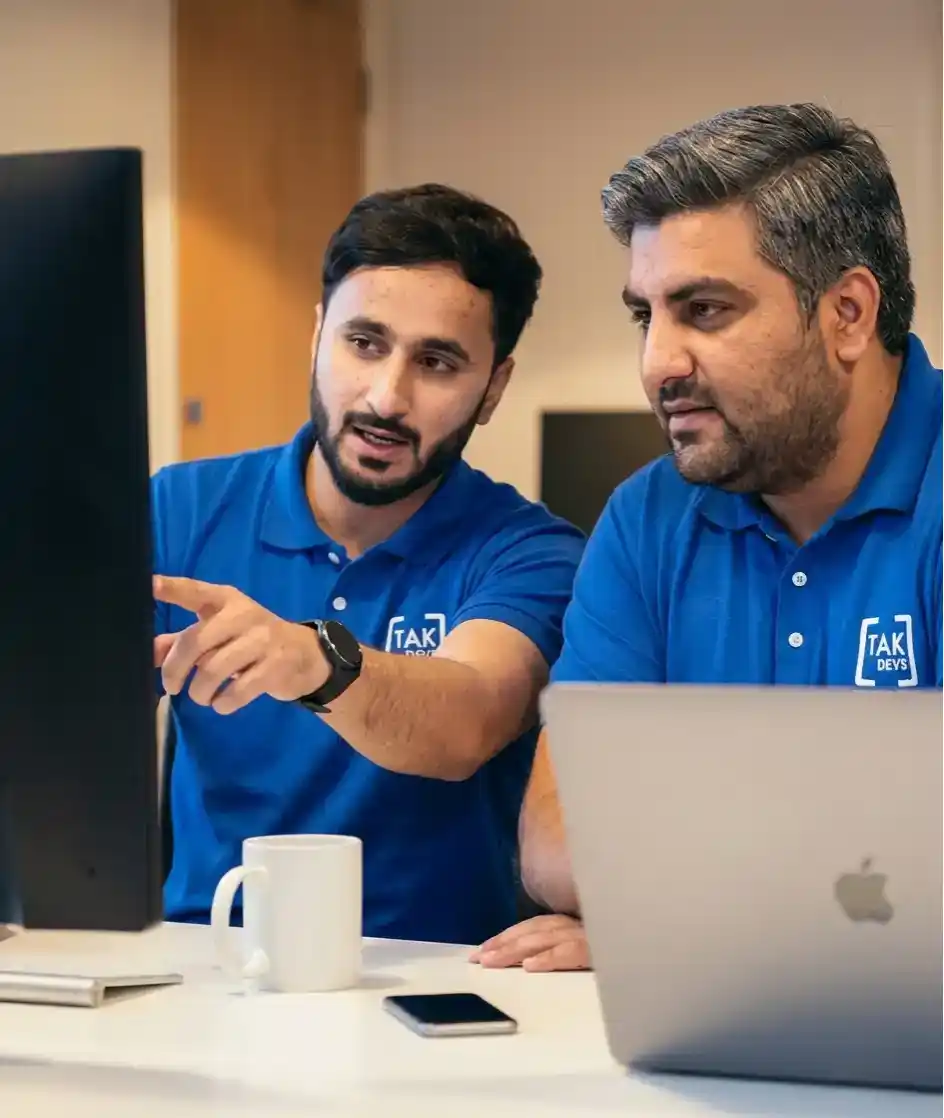
Who We Work With
The fear first, then the fix
Founders
CTOs / VPs Engineering
Security & Compliance Leads
Ops Leaders
Product Managers
Industries We Serve
Testing scoped to the standard your sector actually enforces
Health Tech
HIPAA-aligned testing for platforms handling PHI, like UpliftCare.
Fintech
PCI-DSS-relevant testing for payment flows and financial data.
Legal Technology
Testing for platforms handling privileged, confidential client data.
Retail & E-commerce
Testing for checkout flows, payment integrations, and customer data.
Travel & Hospitality
Testing for booking platforms handling personal and payment data.
SaaS
Multi-tenant security testing so one customer's data never leaks into another's.
Automotive & Mobility
Testing for connected platforms and the APIs behind them.
Differentiators backed by numbers, not adjectives
Manual And Automated, Not Either/Or
Automated scanners alone miss business logic flaws. TAK Devs pairs DAST, SAST, and IAST tooling with senior manual testers, so nothing slips through either gap.
Senior Testers Only
No junior staff learning on your production app. Every engagement is staffed by senior security engineers, the same people who write the report you read.
Compliance Day-One
100% HIPAA compliance was achieved day-one on the UpliftCare build. TAK Devs tests against the standard your industry actually enforces, not a generic checklist.
ISO-Certified Delivery
ISO 9001 and ISO 27001 certified, so the process protecting your app is itself independently audited, not self-graded.
Fixed-Price, No Surprises
Transparent scoping and fixed-price options. Roadmaps that fit on one page, not one shelf, and no surprise invoices after the report lands.
What Working With TAK Devs Actually Looks Like
In early 2025, UpliftCare came to us with a clear challenge and a tight window. They needed a complete, HIPAA-compliant telehealth marketplace connecting patients, verified therapists, and healthcare institutions. The deadline was three months, set by an investor presentation they could not move.
There was no technical architecture. No defined roadmap. Just a vision and a date.
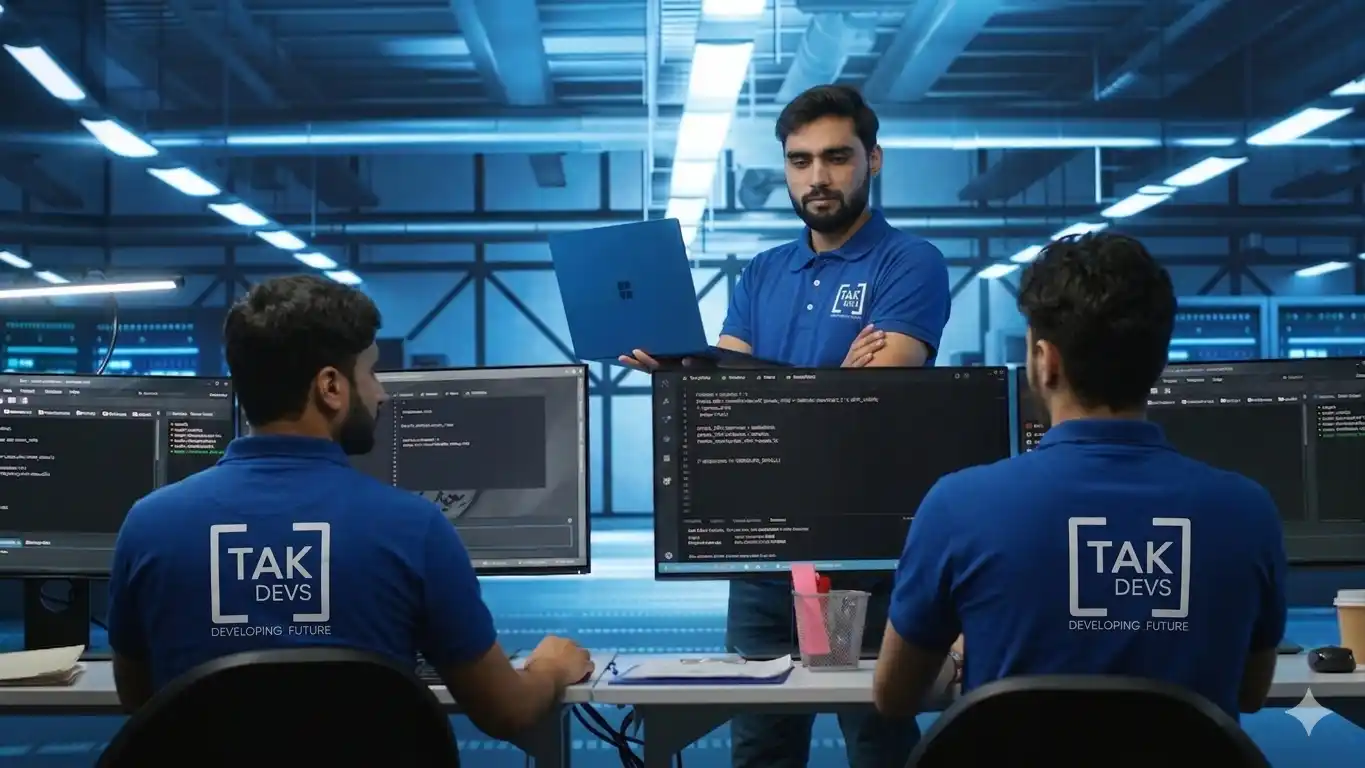
TAK Devs took on the full product lifecycle.
In six sprints and twelve weeks, we delivered:
Four connected portals covering Patient, Therapist, Admin, and Institutional workflows
Real-time video consultations via WebRTC, integrated Stripe payments, and smart scheduling
100% HIPAA-aligned architecture with full encryption across all data flows
Automated credential verification that reduced therapist onboarding time by 70%
CI/CD pipelines, automated testing, and AWS-based deployment ready for production from day one
Testimonials
I'm happy with TAK Devs Pvt Ltd's work quality. Our engagement with TAK Devs Pvt Ltd is a huge success. Our project is very complex and has many engineering metrics and variables, and the team delivers high-quality work.

TAK Devs Pvt Ltd delivered a robust system designed to handle 2 million daily users, achieving a seamless integration of PDF creation as part of the authentication process. The team consistently met deadlines and was highly responsive, flexible, transparent, understanding, and proactive.

Thanks to TAK Devs Pvt Ltd, the client can seamlessly track session duration, user engagement, and login metrics. They also can efficiently monitor appointment bookings, assess client-therapist match rates, and collect feedback. The service provider's knowledge and quality delivery are exemplary.

TAK Devs Pvt Ltd delivered a functional POC and offered detailed guidance throughout the development process. The team was helpful in explaining the project's complexities for the client to understand everything thoroughly. They communicated via virtual meetings, email, and messages.

Great communication, top understanding of Spec, autonomous development. Everything Perfect.

Real professionists, always ready to help our resident team. It's a pleasure to work with them.

Great work, implemented everything 100% as per our specifications, and very fast!

TAK Devs Pvt Ltd's efforts have been met with positive acclaim. The team is always available and communicative via virtual meetings and email. Their software development expertise and listening skills make them stand out.



Frequently Asked Questions
How is security testing in web applications different from a vulnerability scan?
A vulnerability scan is automated and flags known issues. Security testing adds manual analysis to find business logic flaws, chained exploits, and risks scanners cannot recognize on their own. TAK Devs combines both, running automated DAST, SAST, and IAST scans alongside manual penetration testing so scanner speed and human judgment cover each other’s blind spots.
How do I know if security testing will fit our app and stack?
The scoping workshop after your discovery call confirms this, before any pricing is finalized. TAK Devs reviews your architecture, frameworks, and compliance needs, then scopes testing to your actual attack surface instead of a generic checklist. If there’s no fit, we’ll say so upfront.
What happens if we start and realize it's not the right fit?
Engagements are scoped upfront with clear deliverables, so misalignment shows up during scoping, not mid-project. If it’s not a fit, TAK Devs will point you to who is better suited rather than force a mismatched engagement. No long-term lock-in and no surprise invoices either way.
How long does a web application security testing engagement take?
Most focused testing engagements run two to six weeks depending on scope, with findings shared as testing progresses rather than only at the end. Full-scope engagements paired with remediation and retesting typically extend to TAK Devs’ average 12-week delivery window from brief to launch.
What if our team doesn't have the expertise to fix what you find?
Every finding ships with remediation guidance written for the engineers who have to fix it, not just a severity score. TAK Devs also includes a retest after fixes ship, plus ongoing SLA-backed support for teams that want a security partner instead of a one-time report.
Do you sign NDAs and data protection agreements?
Yes. TAK Devs signs NDAs and data protection agreements as standard practice before any testing engagement begins. This is non-negotiable for a service that gets access to your application’s attack surface, and it’s part of the standard scoping process, not an add-on.
What does pricing for security testing look like?
Fixed-price options are available once scope is defined, so you know the cost before testing starts. Pricing depends on application size, number of user roles, API surface, and whether automated scanning, manual testing, or both are in scope. Transparent scoping means no surprise invoices.
Who owns the findings and reports after the engagement?
You do. Every report, finding, and piece of remediation guidance TAK Devs produces belongs to your organization once the engagement is complete, with no licensing restrictions on using it internally or for compliance audits.
Can security testing integrate into our CI/CD pipeline?
Yes. Automated DAST and SAST scans can be wired directly into your CI/CD pipeline so every build gets checked instead of waiting for an annual audit. Manual testing runs on a separate scheduled cadence, since business logic and chained exploits still need a human tester.
What happens after the engagement ends?
You get a full report, a retest of fixed issues, and the option to move into ongoing SLA-backed support with scheduled re-testing. Applications change constantly as code ships, so a one-time report has a shelf life. Ongoing support keeps testing current with what you’ve actually deployed.
Should we build an in-house security testing team or work with a specialist?
Most teams don’t need a full-time in-house security testing function, since qualified testers are expensive to hire and hard to keep current on evolving attack techniques. A specialist engagement gives you the same rigor on demand, scoped to what you’re shipping now, without the fixed headcount cost or one person’s blind spots becoming your only line of defense.
What's the most common mistake teams make with web application security testing?
The most common mistake is treating a single scan or one-time pentest as permanent coverage, when code, dependencies, and attack techniques keep changing after that report is delivered. The second most common mistake is treating findings as a compliance checkbox instead of fixing the underlying flaw, which just moves the risk instead of removing it.